Canada's problem is execution — and Carney's investment summit hasn't changed that
 Tomas Kauer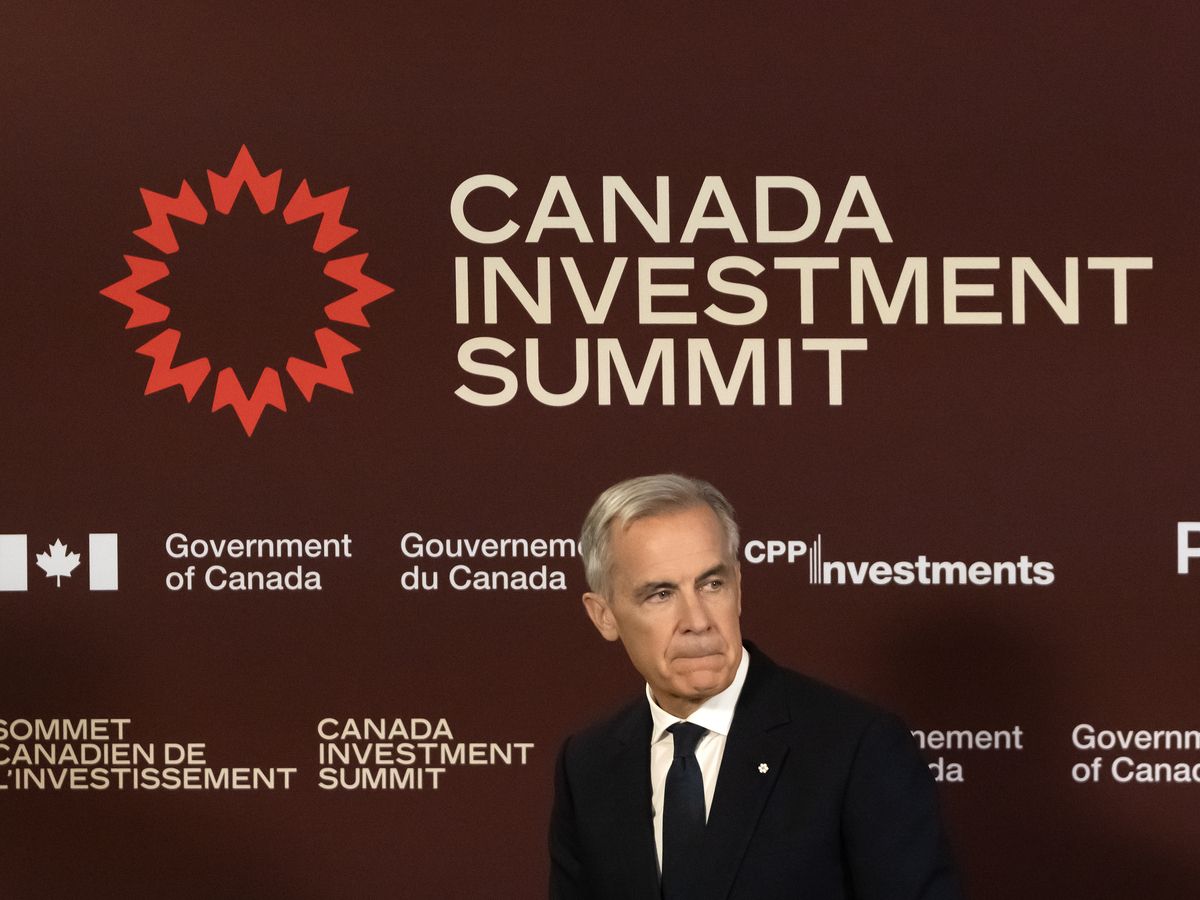
In April, I wrote here about what Canada does best: producing food, energy, commodities, manufactured goods and services the world needs.
This week, the Government of Canada hosted the Canada Investment Summit in Toronto. It brought together global investors, Canadian CEOs and public sector representatives with the single aim of accelerating new investment into Canada.
The summit is a positive signal but it’s only a start. True results are measured by dollars: money invested in Canada to build things and sell them to the world.
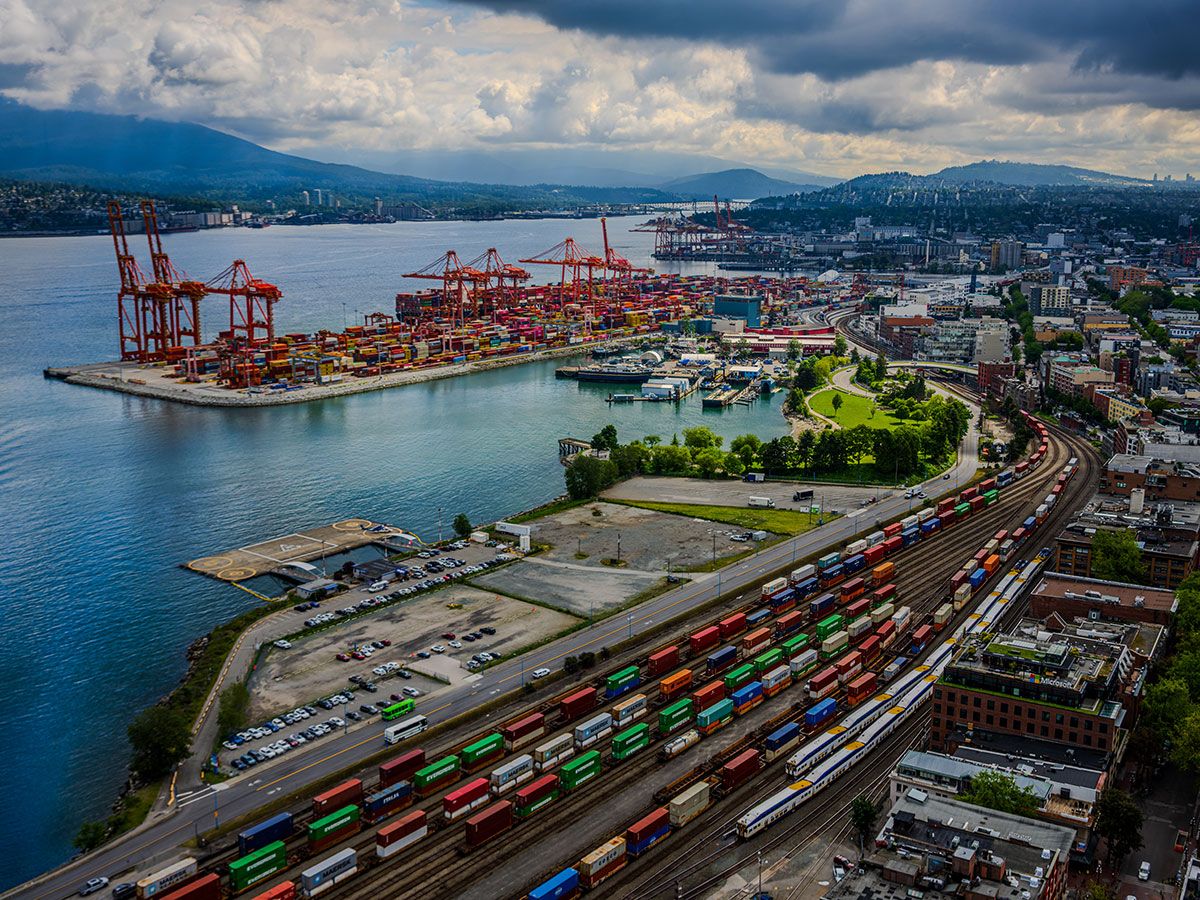
The summit’s 66-page prospectus is an impressive catalogue of potential investment involving energy projects, critical minerals , ports, transportation corridors, data centres, artificial intelligence infrastructure, advanced manufacturing and clean energy developments spread across the country.
The summit also shows us just how much the conversation has changed. A few years ago, under the same government but different leadership, investment opportunities were often off the table before they were even seriously considered. Major energy and infrastructure projects struggled to gain momentum, and investors were left frustrated and wondering if major projects could actually get built in Canada.
Geopolitical events have changed how countries think about energy and energy security . Critical minerals have become a national security issue, while artificial intelligence is creating an unprecedented demand for electricity and infrastructure to support it.
Our increasingly difficult relationship with our largest trading partner has delivered a blunt reminder that Canada cannot simply rely on the status quo. We have to become more resilient, find new customers and advance our economic opportunities.
The logical question is whether this summit represents more than a change in tone from the previous federal government, and will it actually result in much needed new investment in Canada, and a lot of it? That decision rests with investors who will decide if Canada is a reliable country, with limited red tape, concise and fair regulations, and where they can put their money to work and earn a competitive return. All 13 premiers attended the summit, and judging by the prospectus, each province came prepared to make its own pitch. British Columbia promotes LNG export terminals. Saskatchewan highlights renewable fuels, potash, critical minerals and data centres. Alberta showcases pipelines, carbon capture, hydrogen and data centres. Manitoba focuses heavily on the Port of Churchill, and transportation and energy corridors. Ontario highlights nuclear, critical minerals and mining. Newfoundland and Labrador markets ports, energy and mining opportunities
Some significant announcements have been made, such as Bell’s artificial intelligence infrastructure hub in Saskatchewan, worth $52.5 billion, and the Big 5 banks committing over $300 billion in new financing. Most dollars are domestic investments, and what remains to be seen is the level of foreign investment, rather than recycling wealth within Canada.
The provinces are competing against each other for the same investment dollars and while competition is healthy, from an investor’s perspective, it might look less like an economic solution and more like 13 different regulatory environments and 13 different project development approaches. Which also highlights the urgency of free trade within our borders.
It’s complicated. And that’s an important point.
I’ve said many times before that investors need clarity. What is the approval process? How long will it take? Will the rules remain stable after the money is committed? What is the path to project completion?
The prospectus makes the opportunities hard to miss. But our problem lies in execution.
Canada still carries a reputation for making major investment harder than it needs to be. Poor policies and regulations that have been paused do not simply disappear from an investor’s memory. No investor today will question the need for regulatory requirements, environmental standards and the importance of Indigenous partnerships. The problem is when it results in uncertainty, unpredictability, delay or denial.
There are signs of progress. This summit has put Canada’s opportunities on the table, hoping to encourage investment within and outside of our borders. The world wants what Canada has in abundance: food, energy, commodities, manufactured goods and services. We know how to produce them; we just need to up our game to sell them. Investors will judge us not by the thickness of a prospectus or quality of a summit, but rather by the urgency and ability to get things built.
Gary Mar is president and CEO of the Canada West Foundation.