Ongoing trade tensions, Iran war top concerns for Bank of Canada despite economic growth, deliberations show
 Tomas Kauer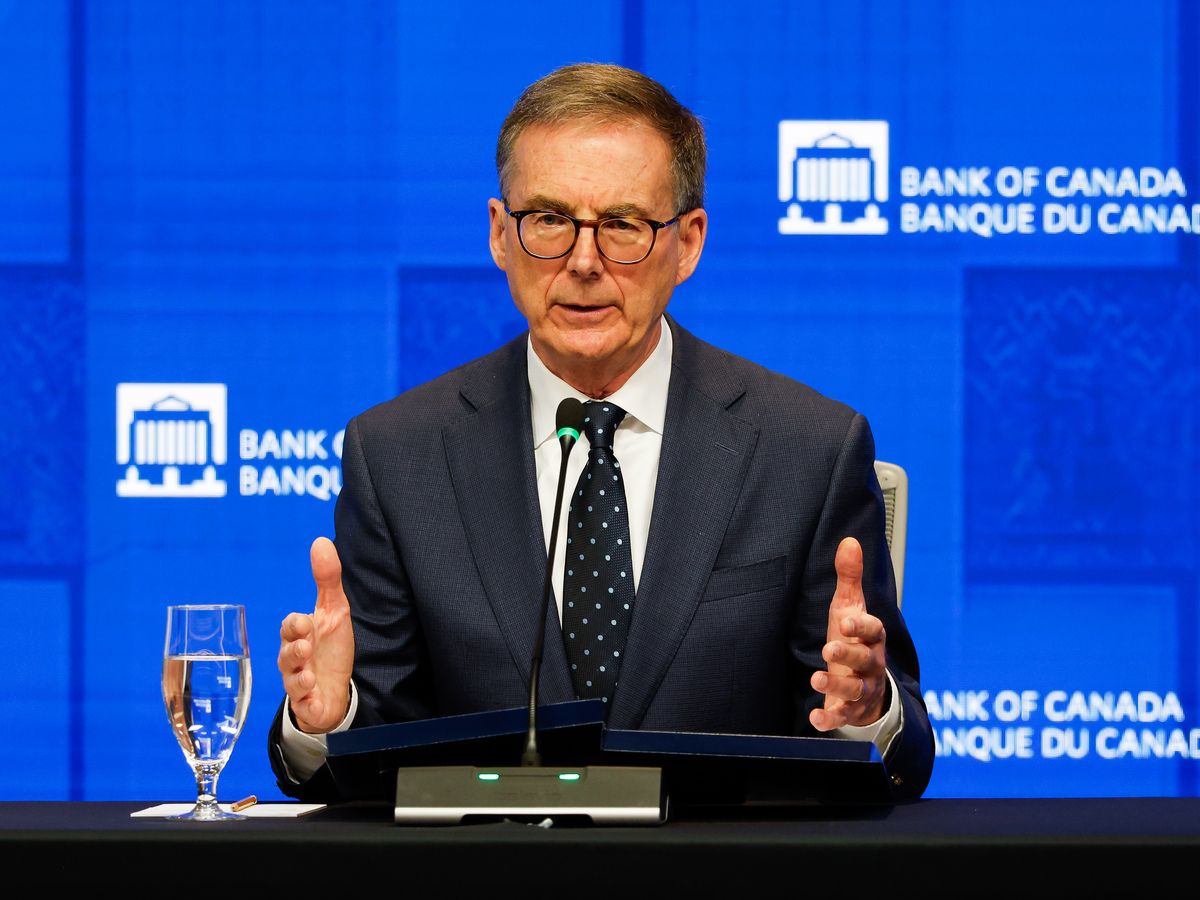
Monetary policy makers at the Bank of Canada were confident that the economy was on stronger footing ahead of the latest round of tariffs but concerned about whether that momentum could be sustained amid heightened inflation risks and trade war uncertainty, as they debated where to take the policy interest rate earlier this month.
The central bank released a summary of the deliberations that led its governing council to hold the overnight rate at 2.25 per cent for the seventh consecutive time.
Officials acknowledged in the summary that the 3.3 per cent annualized growth rate in the second quarter was slightly higher than expected, which suggested the economy rebounded following flat growth last year.
However, governing council agreed that the main economic risks had grown since the July Monetary Policy Report.
Global energy prices remained elevated as renewed hostilities in the Middle East in recent months had pushed Canada’s inflation rate above the two per cent target for longer than anticipated, the summary said, which increased the risks of high gasoline prices passing through to other goods and services and becoming generalized inflation.
It also noted that the new round of Section 338 tariffs likely negatively affected business and consumer confidence, which could in turn impact consumer spending, business investment and hiring more broadly and dampen economic growth. The breakdown in trade negotiations, levying of new tariffs and threats of further trade measures made growth prospects more uncertain.
However, officials said the resulting economic weakness from the trade tensions could contain the pass-through of higher energy prices and keep inflationary pressures at bay.
They also agreed that the economy was still in excess supply and the labour market remained soft, despite broadening economic growth.
“With the economy and inflation evolving broadly as forecast in the July (Monetary Policy Report), governing council decided to leave the policy interest rate unchanged at 2.25 per cent,” the report said.
The Bank of Canada rate announcement came before the inflation rate remained steady at three per cent year over year in August , due to slower growth for gasoline and grocery prices.
The inflation rate ran hot for roughly four consecutive months in the summer, hitting 3.2 per cent in May and 2.8 per cent in June.
The central bank’s decision came after trade talks with the U.S. fell apart in late August, when Prime Minister Mark Carney told Canadian negotiators to return to Ottawa after American officials introduced last-minute demands which he said would threaten Canada’s economy and sovereignty.
Governing council officials said they will monitor whether the economic recovery is sustained as trade tensions with the U.S. continue to escalate, and whether energy inflation passes through to other goods and services.
Economists say inflation will continue to hover above the two per cent target as long as global oil prices remain high, which will push gasoline prices up for consumers.
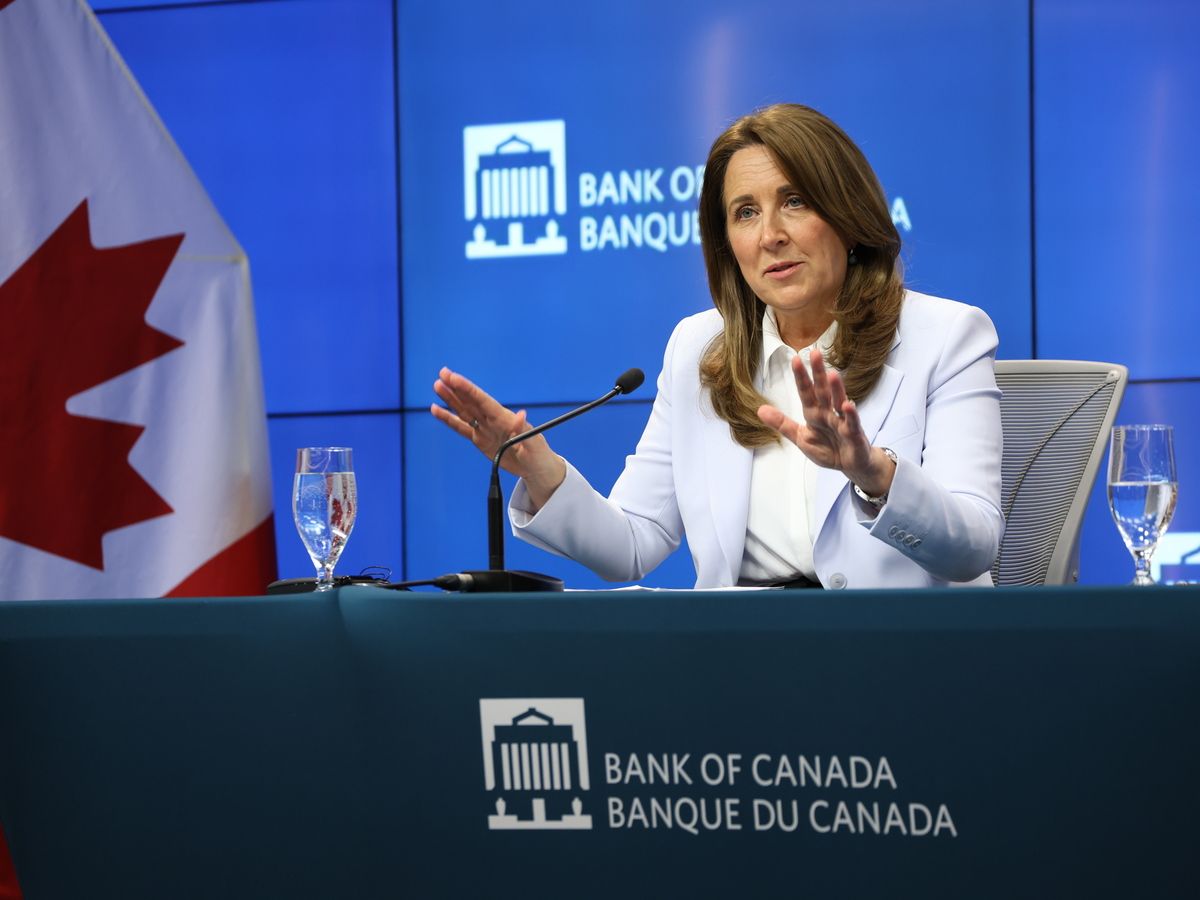
Bank of Canada governor Tiff Macklem has in the past few months repeatedly said that the central bank remains committed to keeping inflation at the two per cent target and to being a “source of stability” for Canadians. However, he didn’t provide a forecast about future rate cuts or hikes.
“The data we’ve received since our last decision was broadly in line with our forecasts,” he said at a news conference after the rate announcement on Sept. 2. “But as I’ve just outlined, the risks are shifting and we are prepared to adjust monetary policy as needed.”
The Bank of Canada is widely expected to hold its benchmark interest rate steady again at its next decision on Oct. 28, when it will also release its quarterly monetary policy report.
• Email: ptran@postmedia.com