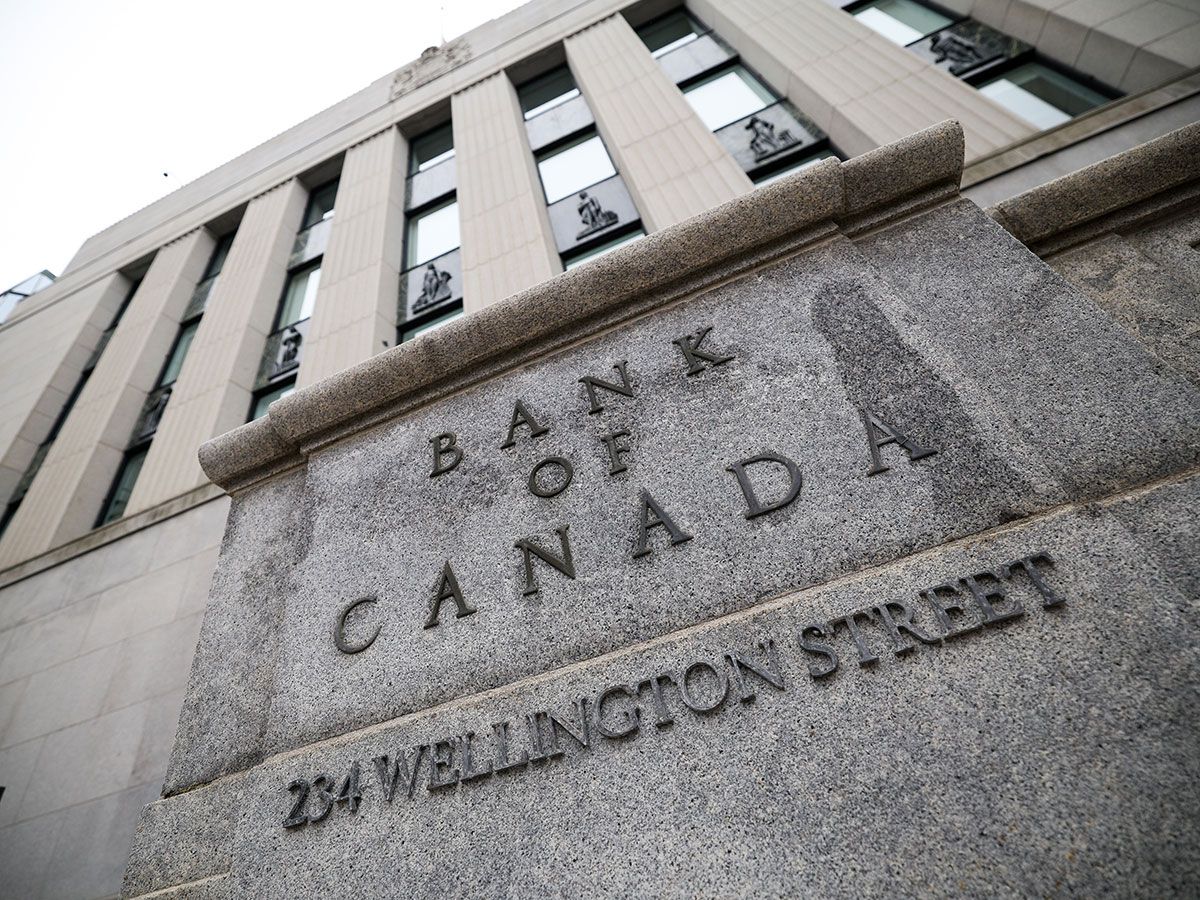
Bank of Canada rate decision will likely determine where the Canadian dollar goes from here, report says
 Tomas Kauer
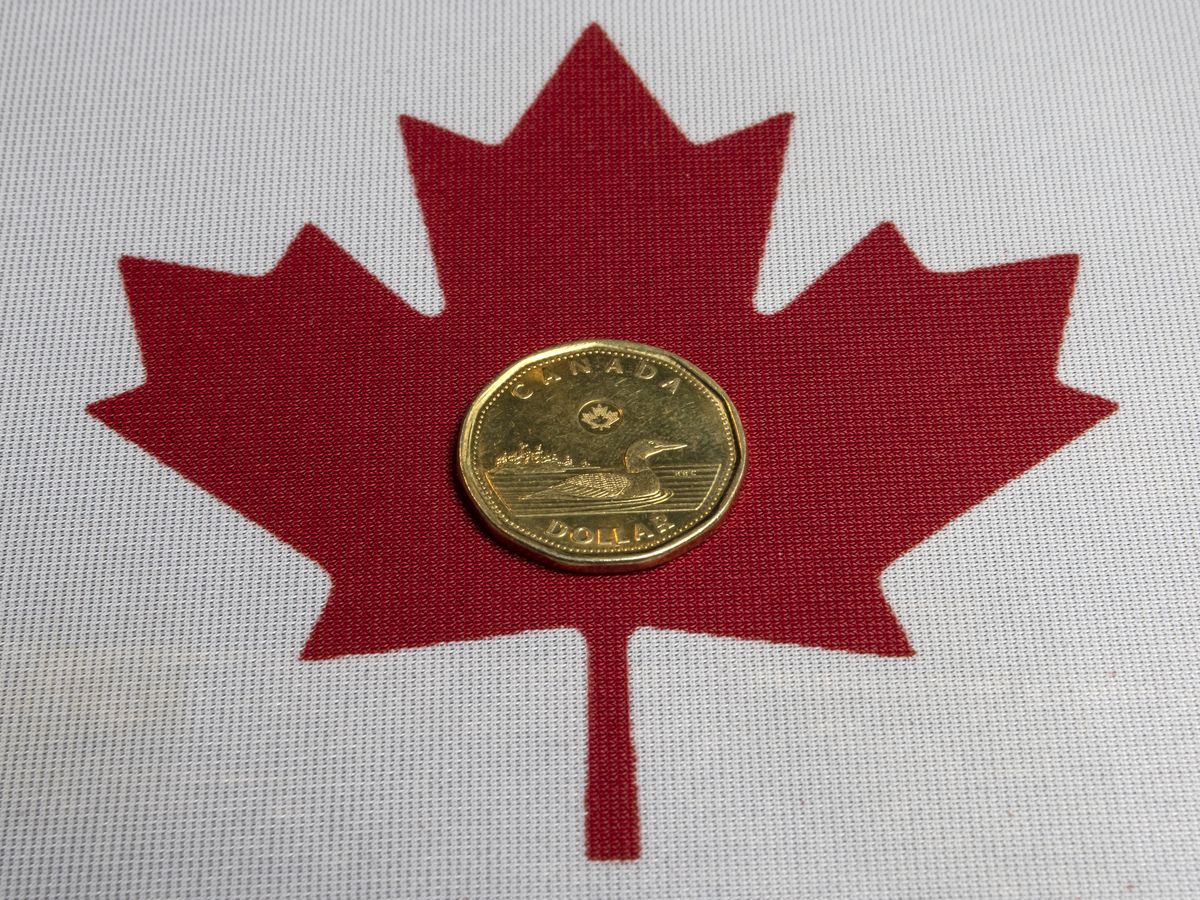
The Canadian dollar has risen nearly two per cent this month, mostly on increasing bets for a Bank of Canada rate hike, but where it goes next depends more on the central bank’s hints of future calls rather than its next decision on Wednesday, says National Bank of Canada .
The loonie was up 1.8 per cent to 71.3 cents United States in mid-morning trading on Tuesday after falling to a year low of 70 cents U.S. in mid-October.
“Expectations of a Bank of Canada hike this Wednesday, alongside a (United States) Federal Reserve hold, have accompanied a narrowing of Canada’s yield disadvantage and a partial reversal of the loonie’s earlier losses,” Kyle Dahms, a senior economist at National Bank of Canada, said in a note on Monday.
Markets currently place the chances of a Bank of Canada hike at 80 per cent, based on overnight swap data from Bloomberg.
Many economists are also calling for policymakers to hike rates on Wednesday by 25 basis points to 2.5 per cent, reversing earlier forecasts for a hold at the October meeting.
The Fed is expected to hold when it announces its latest rate decision on Wednesday, with its benchmark lending rate standing at 3.75 per cent to four per cent following a hike in September.
However, much of the benefit from the narrowing yield gap between the Canadian and U.S. currencies is already baked into the loonie’s recent rise, Dahms said.
“With a Canadian hike already substantially anticipated, further support may depend more on guidance about subsequent moves than on the decision itself,” he said.
Markets currently place the chances of an interest rate increase at the Bank of Canada’s Dec. 9 meeting at 100 per cent.
“The (Canadian dollar’s) recovery nevertheless remains vulnerable to changes in the rates and commodity backdrop,” Dahms said.
He said it’s possible the Fed could turn more hawkish, thereby increasing the rate differential between Canada and the U.S., and slower-than-expected global growth and falling oil prices could also pull the loonie down.
Dahms said the relationship between the Canadian dollar and high oil prices has been modest as the Middle East crisis has escalated, but even though that relationship turned more positive more recently, there appear to be too many headwinds to set a flight path for the loonie.
“We therefore remain cautious on the Canadian dollar through year-end,” he said. “More durable appreciation, in our view, will require an easing of trade tensions and a sustained narrowing of Canada’s yield disadvantage.”
• Email: gmvsuhanic@postmedia.com