'It's hard to take these things seriously': U.S. says it will hit Canada with new 50% tariff
 Tomas Kauer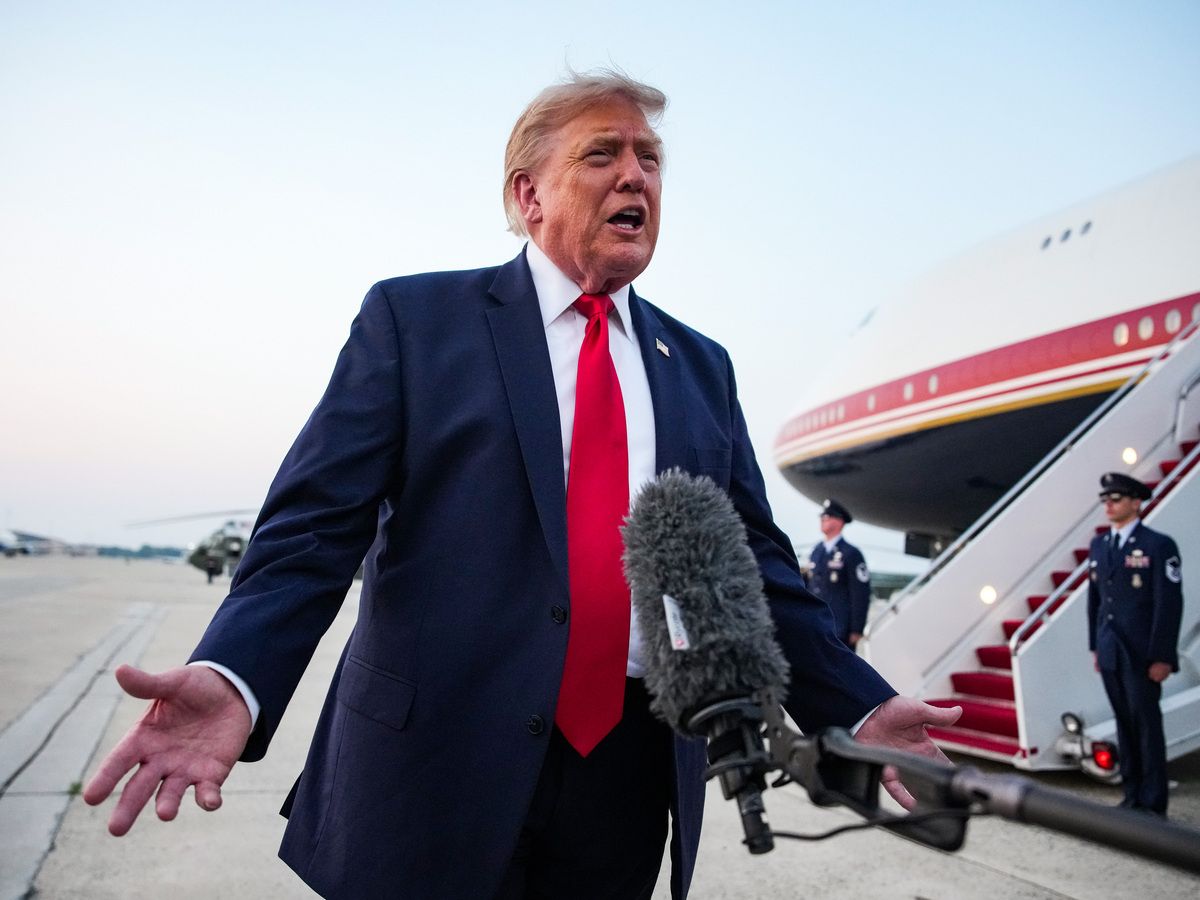
The United States is imposing a new, 50 per cent tariff on a range of Canadian goods next month, the latest escalation in a years-long trade dispute that has hammered cross-border sales of vehicles, steel, aluminum and alcohol.
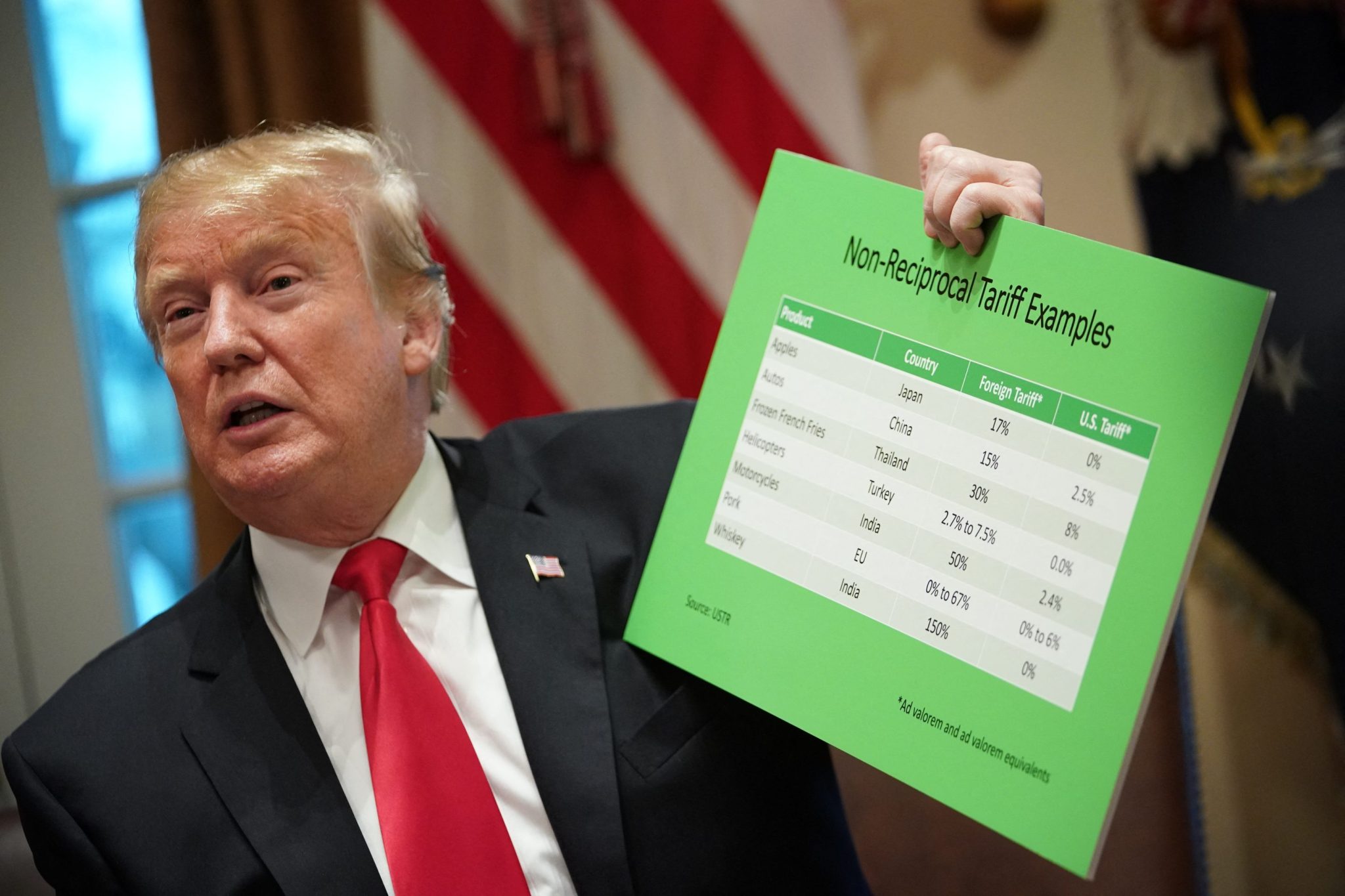
On Monday, U.S. President Donald Trump signed three proclamations that could add sweeping new tariffs, which the White House says are in response to Canadian trade “discrimination” against American cars, alcoholic beverages and dairy.
“Trump is offsetting the burden and disadvantage on U.S. commerce from Canada’s discriminatory treatment of U.S. commerce and is leveling the playing field for crucial American exports,” stated a release from the White House.
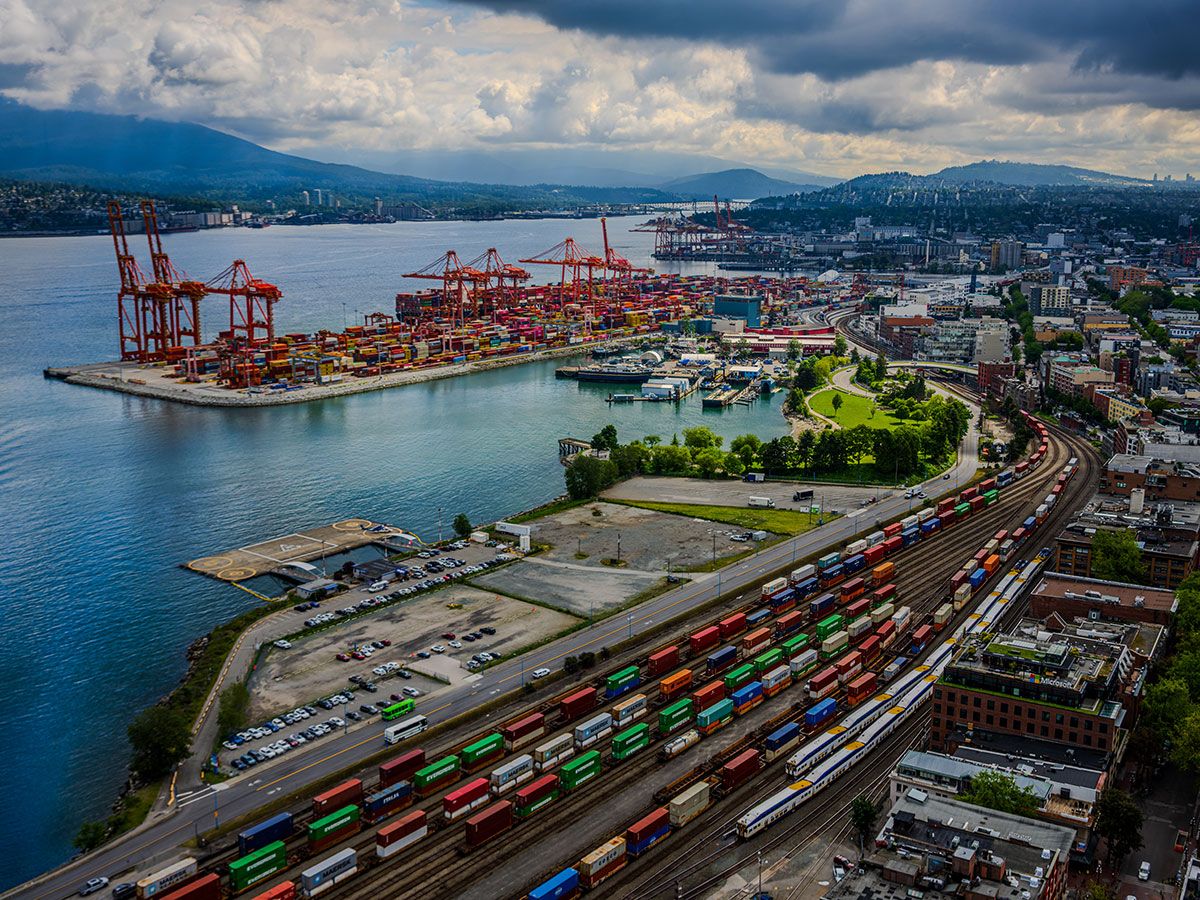
The new duties would apply on top of existing tariffs and could take effect on Aug. 19. Over 400 items are on the list of affected goods, ranging from toys and bicycles to honey and paper products.
Canadian energy, potash, and critical minerals would be exempt from tariffs.
Prime Minister Mark Carney said the tariffs are merely the latest in a series of “unilateral U.S. trade actions,” but that his government is prepared to negotiate with the Trump administration.
“This trade dispute has raised costs for families, particularly in the U.S.,” Carney said. “Canada stands ready to engage intensively to address outstanding issues with the U.S. to the mutual benefit of our citizens.”
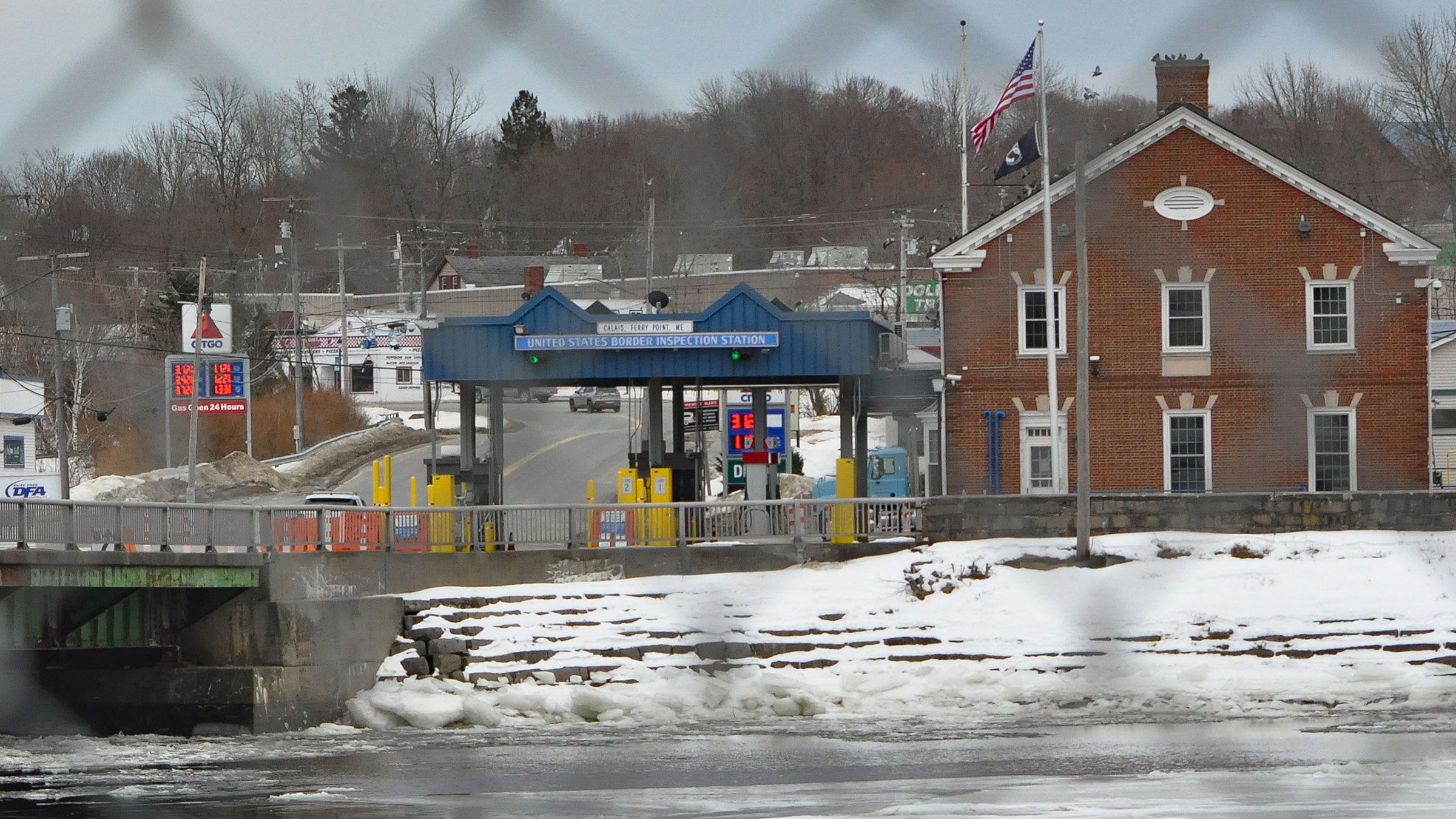
News of the levies comes several weeks after the U.S. declined to renew CUSMA, the free trade agreement between Canada, the U.S. and Mexico. The refusal to renew the deal triggered annual reviews, and a tariff exemption on goods under the deal remained in place.
A month from now, hundreds of goods previously exempt could be hit with an added levy.
“It’s hard to take these things seriously,” said Barry Prentice, who teaches supply chain management at the University of Manitoba.
“(Trump has) backed down on everything all the way along, and he also has a question of whether he has support for this. We’ve got 30 days before it would take effect. There’s got to be a lot of people who are on the U.S. side and are fed up with this kind of nonsense.”
Mark Parsons, chief economist at Alberta bank ATB Financial, called the latest tariffs “very concerning,” noting Canada’s exemption under the pact is a major reason why the national economy has been more resilient to tariffs than expected.
He said that while the U.S. administration hadn’t renewed CUSMA, the baseline assumption was that sector-specific tariffs would hold and the trade deal’s exemptions would remain.
However, Parsons said there’s still plenty of uncertainty on whether this is posturing to get a deal with Canada, or if this becomes reality.
“In the past, we’ve seen tariff threats translate into something very different than the eventual executive orders that have been put out,” Parsons said.
A Financial Times columnist last year coined the phrase Trump Always Chickens Out (TACO), based on a perceived pattern in which the president threatens steep tariffs, causing steep stock market selloffs, but later delays, backtracks or compromises, leading to market rallies.
Parsons said some of the impacts of the current tariff situation have been fading, but new levies could disrupt that shift.
“Now we’re seeing a re-escalation in trade tensions, which creates more uncertainty,” he said. “We know that uncertainty hurts business.”
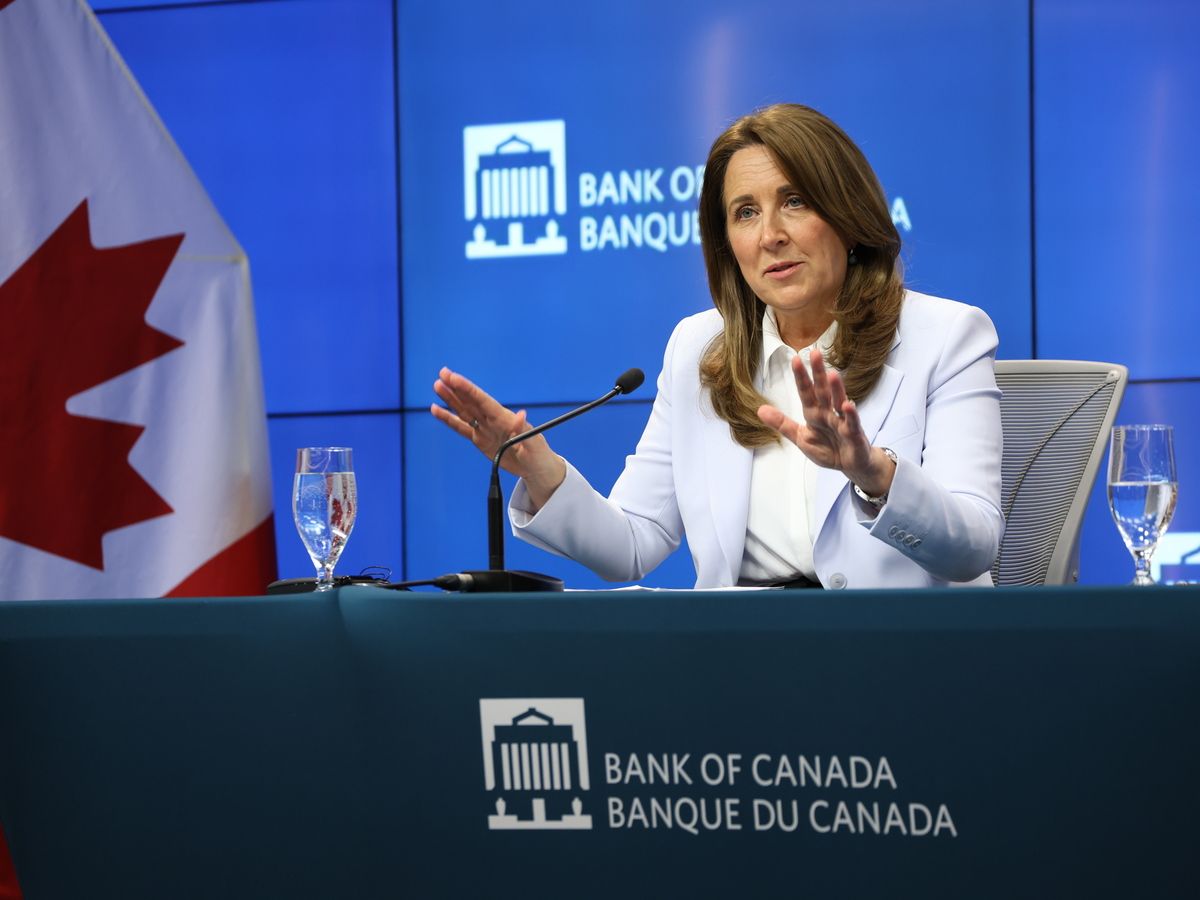
While Canada’s economy grew last year, U.S. tariffs could put a 1.5 per cent dent in the country’s real GDP by the end of 2026, according to Bank of Canada estimates from before the new levies.
The list of items that would be hit with massive tariffs includes an obscure range of goods, such as raw hides and skins from reptiles, cigarette rolling papers and certain Christmas ornaments. But levies on other goods could have a larger impact, including various grades of plywood, cartons or cases of corrugated paper and wooden doors.
On-again-off-again tariff threats from the White House created uncertainty for Canadian businesses in 2025, and there’s a risk that cycle returns, Parsons argued.
“What Canada can do, of course, is quickly negotiate a deal with the U.S.,” Parsons said.
“But it reinforces the need to take action here in Canada, accelerating major projects, getting things built here, and exported more overseas as well,” he said. “It creates more urgency to do more here at home.”
• Email: swilhelm@postmedia.com
With files from Reid Southwick, Financial Post