First Quantum could be a step closer to reopening giant Panama copper mine
 Tomas Kauer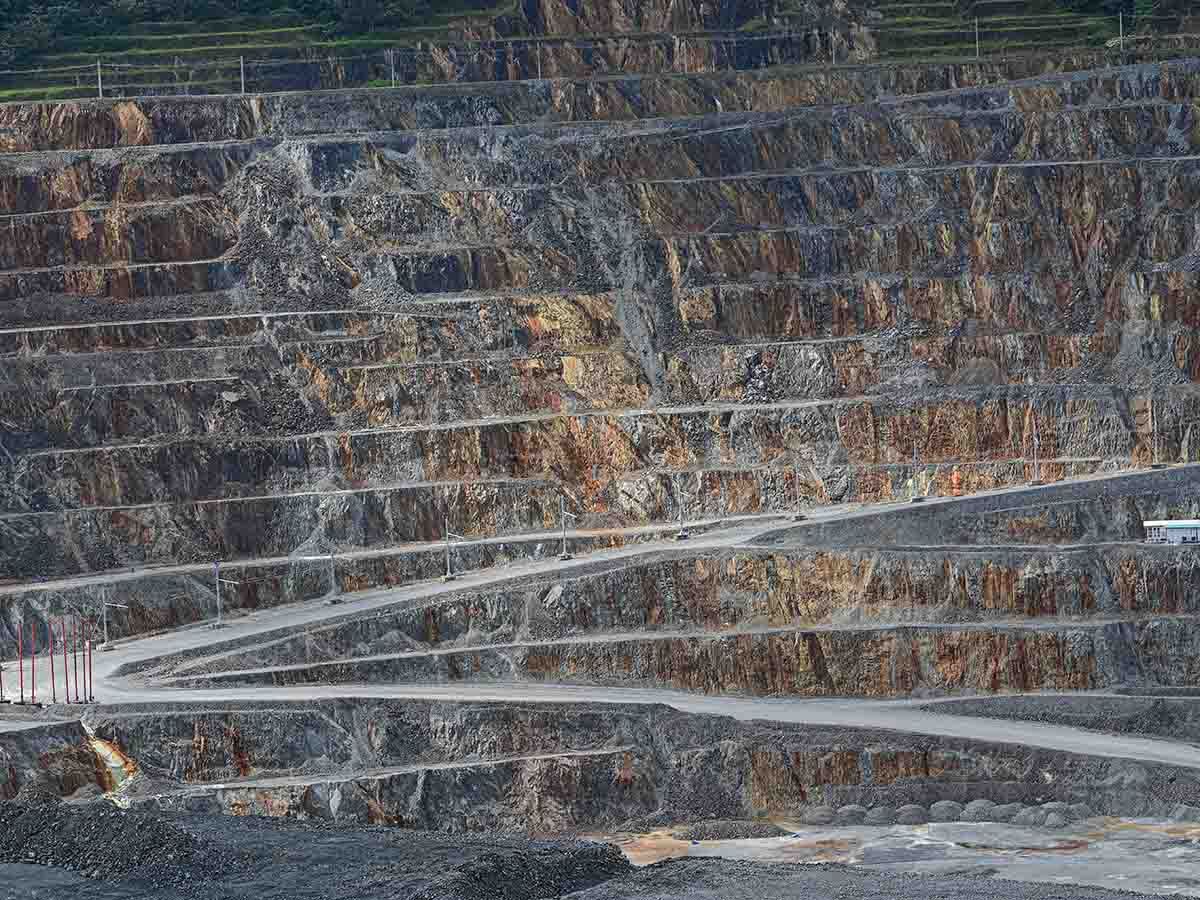
Panama moved closer to deciding whether First Quantum Minerals Ltd. can reopen a giant copper mine after receiving a long-awaited audit that found the project met most of its environmental, legal, fiscal and operational obligations.
The review, conducted by Swiss firm SGS SA, identified areas for improvement in administrative processes, biodiversity management and ecological restoration, according to a government statement Friday. But auditors said the shortcomings didn’t amount to structural failures that would undermine the overall findings.
The independent review is a key milestone as Panama weighs the future of the sprawling mine that was central to both First Quantum and the local economy before it was closed in late 2023 amid mass protests. Since then, the Canadian company has spent about $16 million a month maintaining the site while seeking a path to restart.
First Quantum shares rose as much as 0.6 per cent Friday in Toronto after the report’s release, before retreating. The stock traded 0.2 per cent lower at $43.23 as of 12:51 p.m. local time.
For Panama, the mine is both an economic opportunity and a political risk. It previously generated export revenue, jobs and government income, but also became a symbol of public concern over environmental oversight, sovereignty and the distribution of mining benefits. Public opposition appears to have eased, though protests have resurfaced ahead of the audit’s publication.
The decision also matters well beyond Panama. Before it was shut, Cobre Panamá supplied about 1.5 per cent of the world’s mined copper. Its absence has tightened the concentrate market just as demand is rising from power grids, electric vehicles, data centres and renewable-energy infrastructure.
A restart would not solve the industry’s supply problems, but it would offer meaningful relief. The mine could eventually return about 300,000 tons of annual copper output, though significant volumes are unlikely before 2027 given legal, regulatory, operational and political hurdles.
The government created an inter-agency task force earlier this month to evaluate the mine’s legal, economic, technical and environmental implications. The audit is expected to guide that group’s recommendations and any broader decision on a full restart.
The audit is intended to serve as a technical input for evaluating the mine’s future and does not constitute a decision on whether the operation should restart, the government said.