Deloitte expects slowing pace of economic activity in Canada into 2027
 Tomas Kauer
As U.S. trade tensions bear down on the economy, Canada will need to boost business confidence and investment if it wants to maintain recent upward momentum, Deloitte says in its latest outlook.
The firm’s fall economic report, released Tuesday, revised its 2026 GDP forecast up 0.2 percentage points to 0.9 per cent based on Canada’s ability to navigate the turbulence caused by “an unstable trading relationship with the U.S. and elevated energy prices.”
However, the strong 3.3 per cent GDP gain in the second quarter could be the last “highlight” for a while, Deloitte chief economist Dawn Desjardins said.
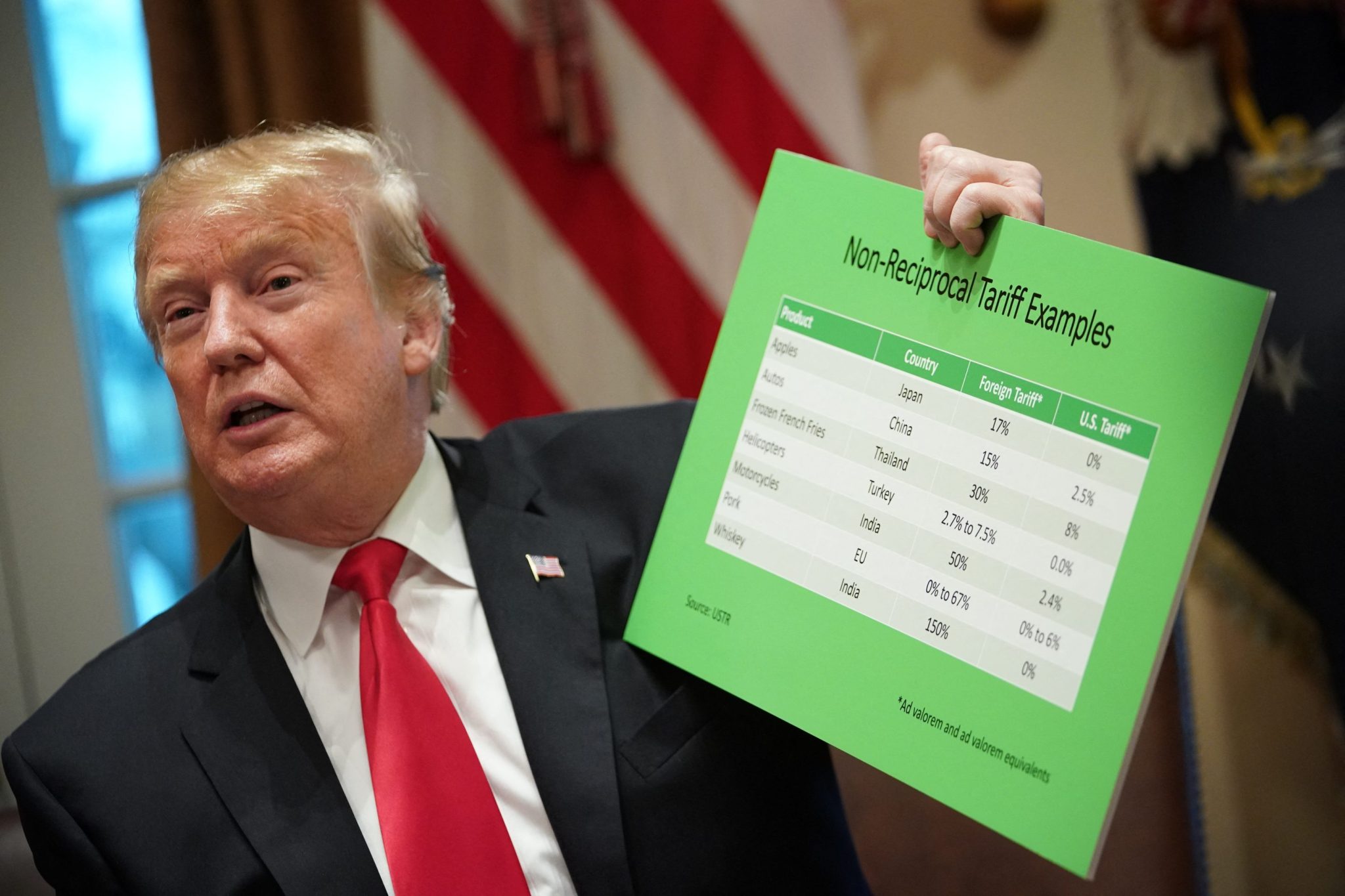
Trade continues to be the “dominant downside risk” to the economy, the report said. The latest flare-up in tensions, including new U.S. 50 per cent tariffs on roughly $20 billion worth of Canadian imports, led Deloitte to shave 0.4 percentage points off next year’s forecast. It now predicts GDP will grow 1.6 per cent in 2027.
“As we go forward, we’ll probably see a slowing pace of economic activity as Canadian companies and Canadian consumers really adjust to this new operating environment,” said Desjardins.
The report identified business non-residential investment is the “most prominent weak spot” in Canada’s economy as the money companies spend on workers and government spends on infrastructure continues to lag.
However, Desjardins said Deloitte also expects investment to creep up by 1.6 per cent in 2026 and 3.5 per cent in 2027 as businesses respond to policy changes aimed at improving competitiveness, including reducing interprovincial trade barriers, accelerating zoning and permitting timelines, and the proposed new Productivity Mega Deduction tax incentive.
Increased government spending on infrastructure, defence, energy, artificial intelligence and transportation could also open the door to “a quicker and deeper increase in private sector spending,” the report said.
“That’s also part of the story that restores confidence for businesses,” said Desjardins. “They see things that are moving in a direction that opens markets to them and really increases their ability to sell.”
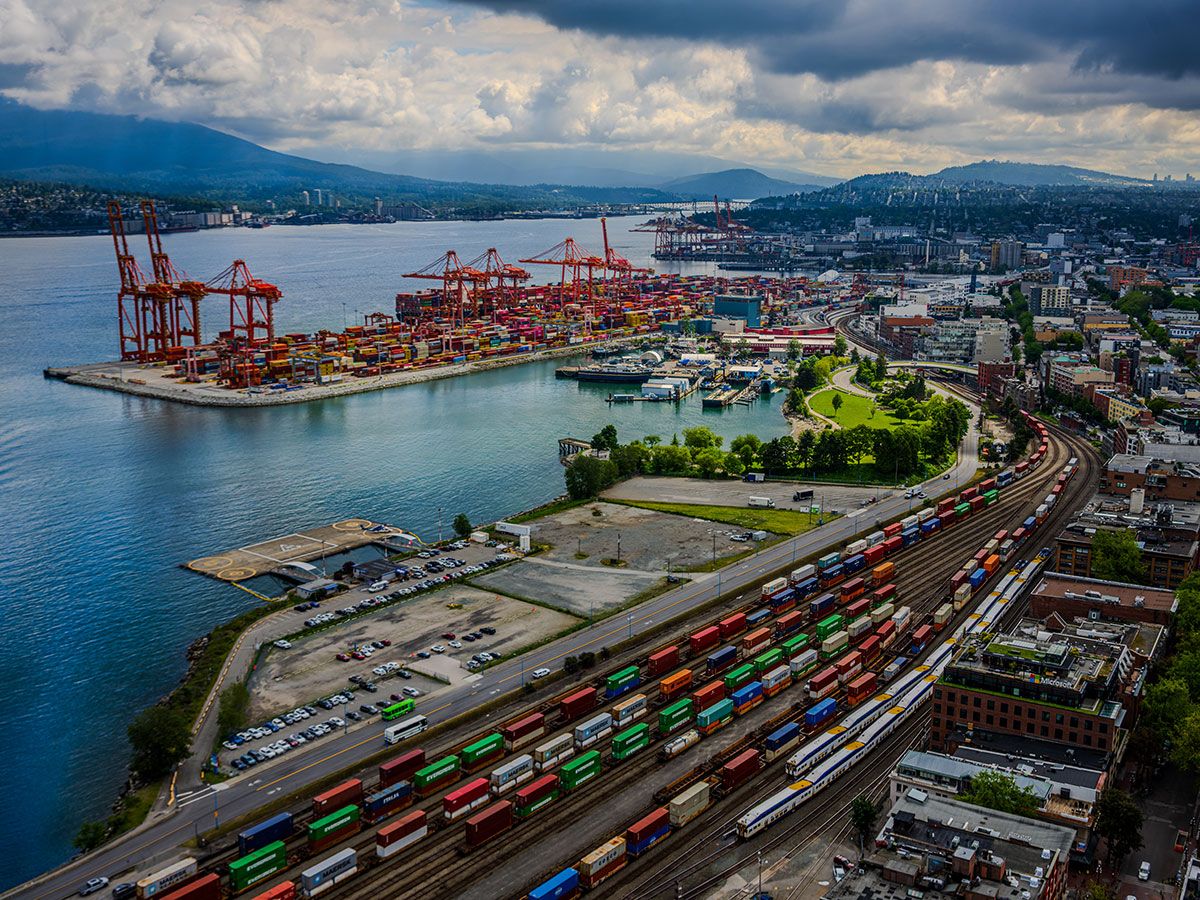
Renewed trade tensions with the U.S. have “deteriorated” Canada’s trade outlook and will continue to put pressure on goods exports, the report said.
While Deloitte expects exports to rise 2.6 per cent in 2026, that number masks a “sharp weakening” over the course of the year with exports predicted to fall 0.9 per cent in the third quarter of 2026 and five per cent in the fourth quarter.
Deloitte forecasts exports will increase just 0.3 per cent in 2027, which Desjardins said reflects a combination of Canadian businesses needing time to reposition supply chains and establish new export markets and tariffs weakening overall demand.
“We’re starting to see a softening in that demand from U.S. buyers who are saying, ‘Well, I can’t really do it. The tariff is too high,’” said Desjardins.
Further complicating the country’s economic outlook are inflation risks stoked by high energy prices.
“The longer energy prices stay high and tariffs remain in place, the greater the risk of pass-through to other goods,” the report said.
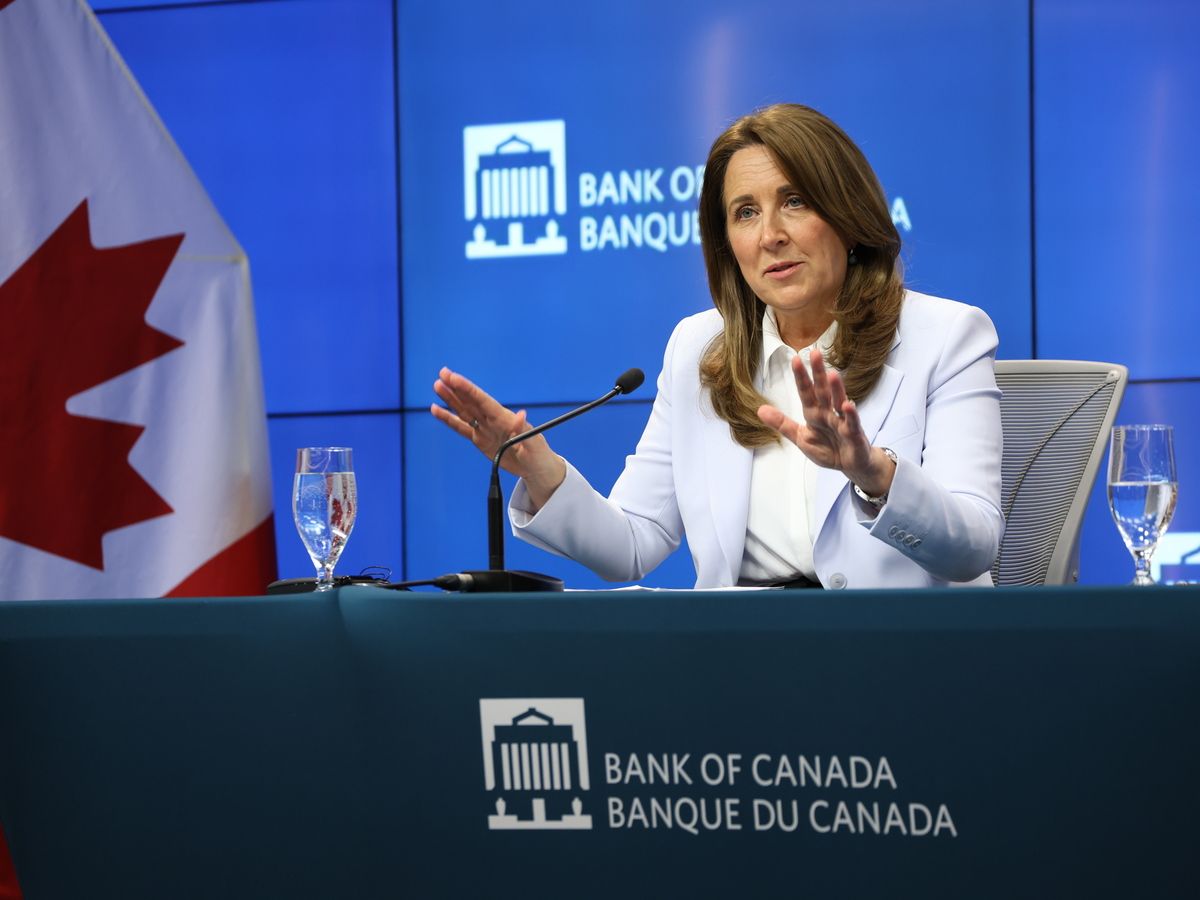
Assuming a baseline scenario where risks to the economy dominate and high energy prices don’t bleed into other areas, Deloitte expects the Bank of Canada to hold its benchmark interest rate at 2.25 per cent for the rest of the year. However, the central bank could change course based on Canadian households’ views on price pressures.
“When we see more survey results, it will certainly suggest whether or not Canadians are more nervous that prices will continue to rise,” said Desjardins. “And if (the Bank of Canada) should see inflation expectations pick up, I wouldn’t say it’s out of the question that they won’t raise the policy rate this year.”
• Email: jswitzer@postmedia.com