Canadian retail sales drop for the first time in almost a year
 Tomas Kauer
Canadian consumers pulled back on spending in July as higher gasoline prices ate into discretionary spending power.
Retail sales fell by 0.7 per cent monthly to $73.7 billion in July, the first drop since December 2025, according to data from Statistics Canada published on Thursday morning. The decrease followed a 0.6 per cent rise to $74.3 billion in sales in June.
In volume terms, retail sales decreased by 0.7 per cent in July.
The declines were broad-based, with eight out of nine subsectors posting declines. The largest decrease was observed among general merchandise retailers, which were down by 1.9 per cent in July after increasing by 2.5 per cent in June.
Shoppers also spent less at motor vehicle and parts dealers, as well as at gasoline stations and vendors. Sales in these two subsectors fell by 0.8 per cent and 0.9 per cent, respectively, in July. In volume terms, sales at gasoline stations and vendors fell by 3.5 per cent.
Building material and garden equipment and supplies dealers posted the only increase, with sales rising 0.8 per cent.
Core retail sales, which exclude gasoline and fuel vendors along with motor vehicle and parts dealers, fell by 0.7 per cent in July.
Economists said July’s data was a notch better than expectations, which predicted retail sales to dip by around 0.8 per cent.
Andrew Hencic, a senior economist at TD Economics, said consumers shifted their spending patterns as higher energy prices in July eroded their spending power.
Households were also squeezed by higher inflation, including higher grocery, housing and transportation costs. Canada’s inflation rate ticked up to three per cent in July from 2.8 per cent in June, largely due to a spike in gas prices after renewed hostilities in the Middle East caused global oil prices to rise.
However, core inflation measures remained at the two per cent target, which suggests limited initial pass-through to broader goods and services.
“Folks are feeling it.… The longer elevated inflation goes on, it will start eating into disposable incomes, especially if we don’t see steady and strong wage gains supported by a healthy labour market,” Hencic said in an interview.
Economists also noted that a month does not make a trend, as flash estimates suggest retail sales increased by 1.3 per cent in August.
Katherine Judge, executive director and senior economist at CIBC Capital Markets, said sales volumes will grow at a roughly four per cent annualized pace in the third quarter of 2026.
However, that momentum is not expected to last because elevated gasoline prices will eat into discretionary spending power in the near term.
“It likely won’t be until 2027 when we see signs of consumer spending showing a sustained pickup, and the (Bank of Canada) is therefore not going to hike rates in 2026,” Judge wrote in a note on Thursday morning.
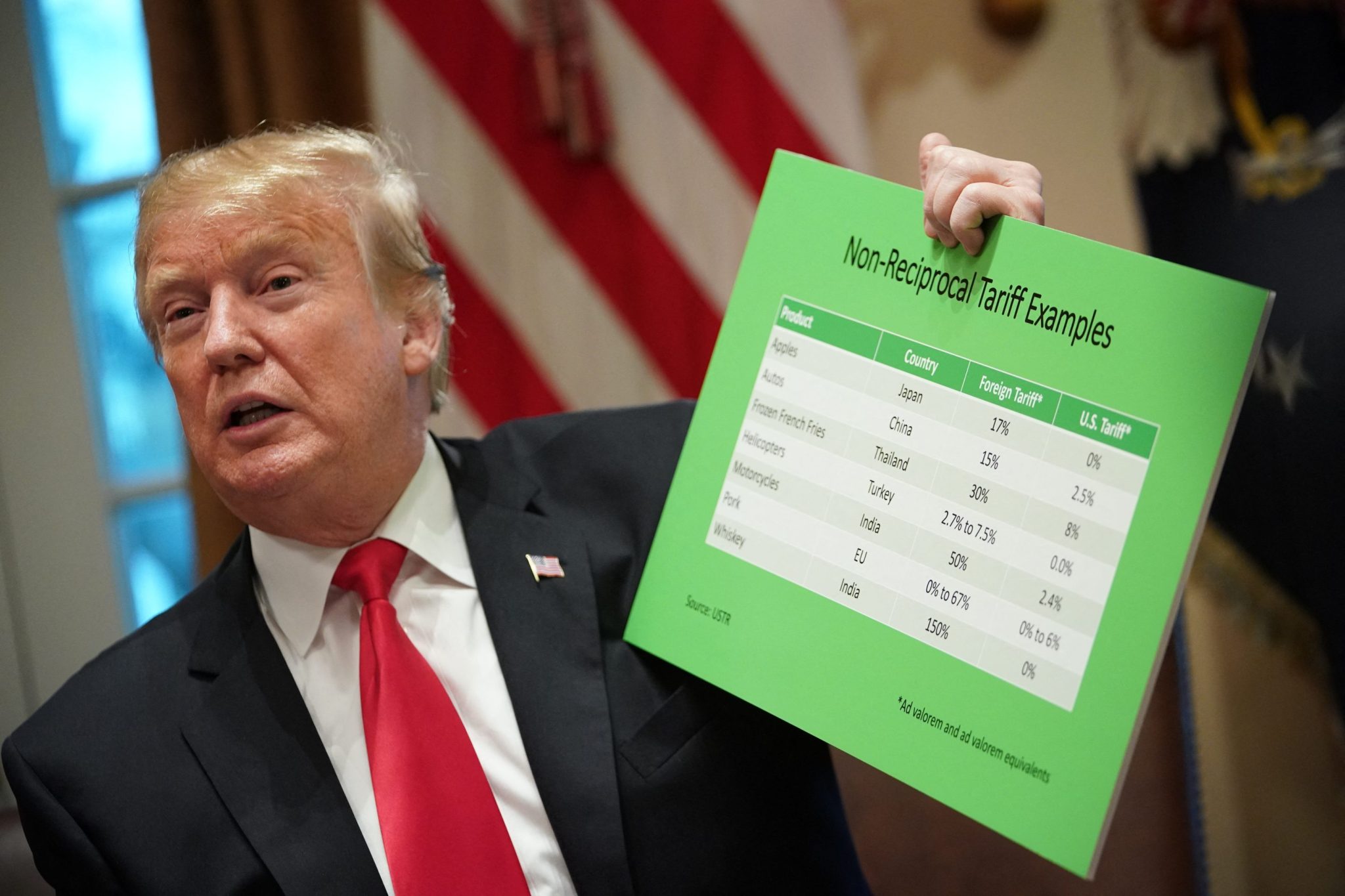
The new Section 338 tariffs, which came into effect in August, could also dampen consumer spending going forward due to heightened economic uncertainty and weaker employment in some industries.
TD Economics forecasts predict consumer spending to grow at an annualized pace of 2.6 per cent in the third quarter of 2026 before slowing down to 1.4 per cent in the fourth quarter.
“When you take the totality of those things together, some drag to consumer spending is to be expected…. There were some solid prints in (the second and third quarters of 2026), but we expect a bit of a slowdown near the end of the year,” Hencic added.
• Email: ptran@postmedia.com