Uber, Wayve unleash supervised robotaxis on the U.K.’s winding streets
 Tomas Kauer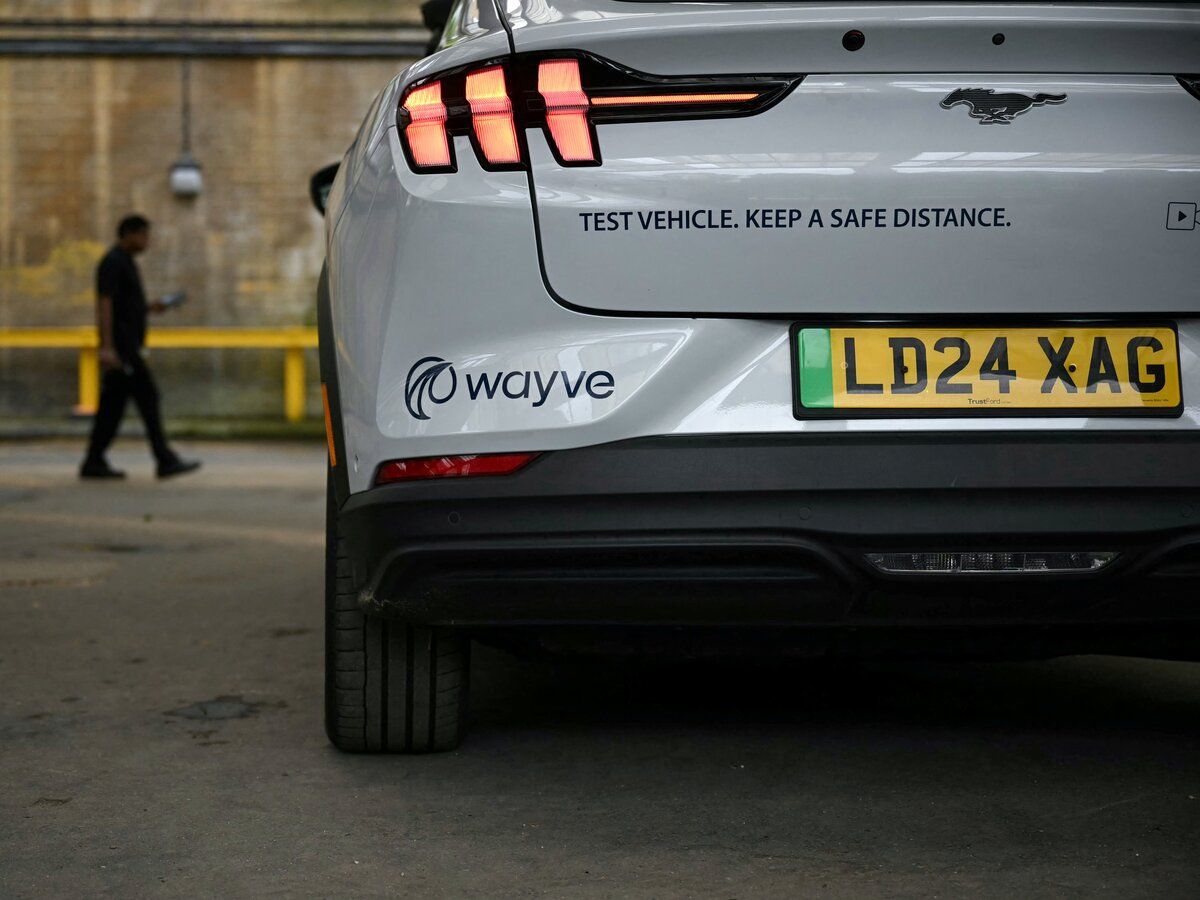
Driverless taxis have been operating in United States cities like San Francisco and Los Angeles for a while now, but the higgledy-piggledy, rainy streets of London present a far greater challenge.
For the past few years, Wayve Technologies Ltd. has been testing a fleet of cars equipped with the British artificial intelligence startup’s autonomous driving software throughout the notoriously narrow, centuries-old streets of the United Kingdom’s capital . Now, Londoners will get the chance to take a ride. Beginning Thursday, a fleet of vehicles are being deployed throughout the city in partnership with Uber Technologies Inc. , marking Wayve’s first commercial public service anywhere in the world.
Passengers who order a ride through Uber may be offered a trip in one of 15 Wayve-powered Ford Mustang Mach-E vehicles. If they’re matched with a robotaxi and accept, they’ll pay the same price as a regular journey but won’t be prompted to tip. The cars can travel anywhere within London except to the airports. A trained safety driver holding a private hire license from Transport for London will sit behind the wheel and take control of the vehicle if needed.
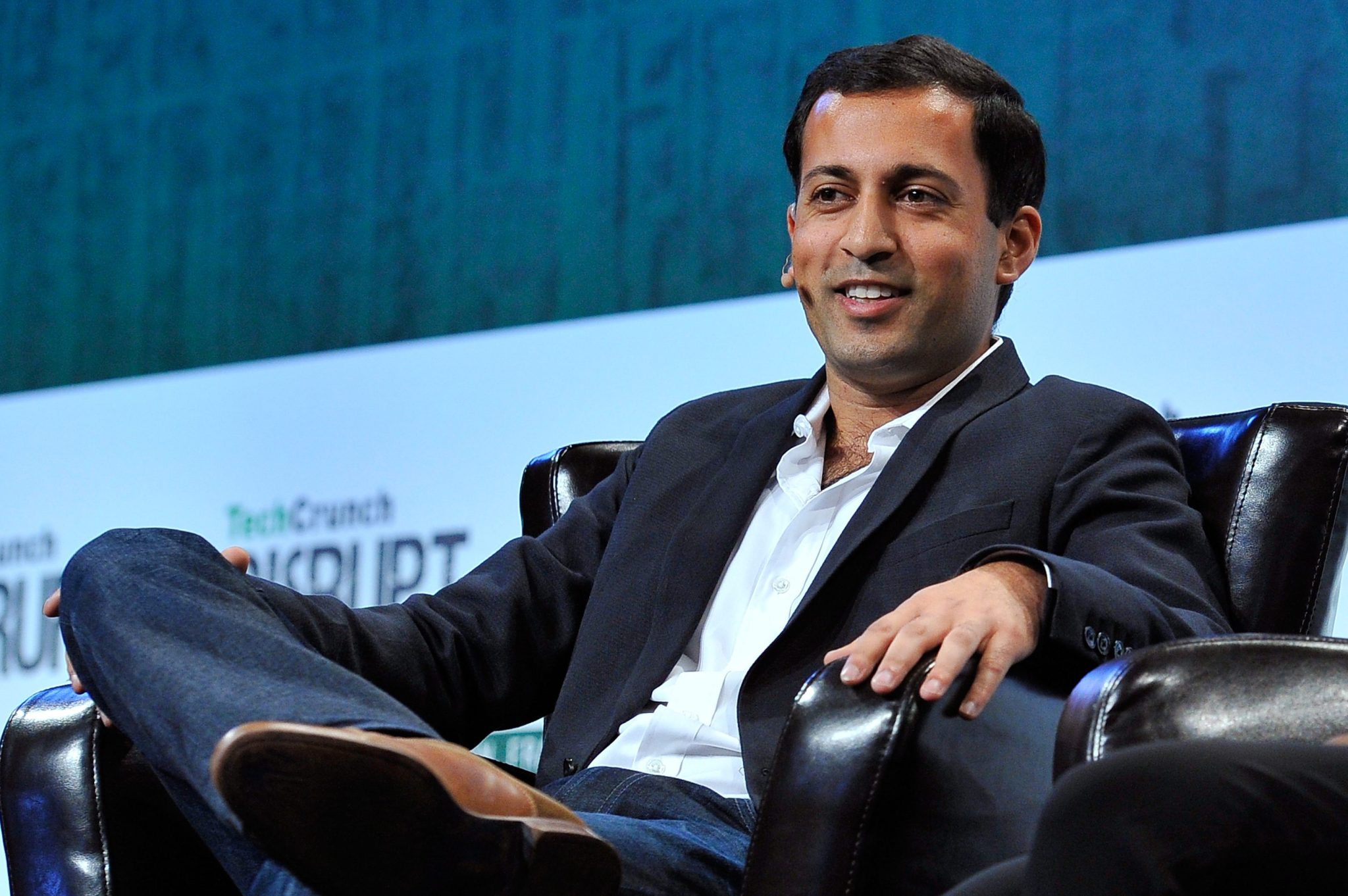
Wayve licenses its “AI Driver” software to Uber and charges based on usage. With the existing vehicles, Wayve expects to provide “thousands” of rides per week via Uber throughout Greater London, co-founder and chief executive Alex Kendall said in an interview.
The global race to commercialize autonomous ride-hailing has been accelerating over the past few years. Alphabet Inc.’s Waymo leads the pack in the U.S. with paid robotaxi services in 14 cities. Chinese operators including Pony AI Inc. and Baidu Inc.’s Apollo Go are also pushing hard at home and in the Middle East. Europe’s rollout has been slower because of stricter regulations and more complex, irregular urban street networks.
Uber, which doesn’t develop its own self-driving technology , has vowed to commit more than US$10 billion in robotaxi partnerships, including Wayve and Chinese operators, as it seeks to become the go-to platform for hailing an autonomous ride. It already offers rides in autonomous vehicles in several cities across the U.S. Zagreb, Croatia was its first European market for the technology, with trips offered through a partnership with Pony.AI and local fleet owner Verne.
While early vehicles relied on carefully mapping the environment and hand-coding rules of the road, Wayve says it takes a less structured, generalized approach, training its software on large amounts of driving data so that cars can navigate unfamiliar cities. Its AI “brain” can be integrated with different car models using various camera, radar and sensor configurations. The company has already partnered with Nissan Motor Co. to offer robotaxis in Japan and Peugeot owner Stellantis NV for for future consumer vehicles.
On a rainy morning in Westminster this week, Bloomberg took a test drive in one of the Wayve-powered robotaxis. After hailing the car via the Uber app, and sitting through a brief introduction from the safety driver, a tap of the “start trip” button on the central console prompted the vehicle to pull away from the curb. Over roughly 40 minutes, the car showed human-like nudging behaviour to cut into a line of bumper-to-bumper traffic, handled tight lane changes, a protest in Parliament Square and pedestrians stepping out erratically into the road.
“I have been asked several times if we pay actors to jump out in front of the vehicles,” Kaity Fischer, vice president of commercial and operations at Wayve, said. “I can assure you we do not, but that’s how crazy some of the things we’ve seen are.”
The safety driver took over twice. Once when the vehicle was trying to merge into gridlock and was briefly blocking oncoming traffic, and again to switch lanes to get around a few stationary cars. The rest of the time, his hands hovered just below the steering wheel as it turned on its own.
Wayve and other robotaxi providers will need to secure additional approvals from government agencies before they can operate vehicles with no driver aboard and ferry passengers in them. That includes safety audits by the U.K.’s Vehicle Certification Agency, a passenger service permit from the Driver and Vehicle Standards Agency (DVSA) and consent from Transport for London (TfL).
“It is our understanding that no operator has completed the first stage of the process, which is registering vehicles with the Vehicle Certification Agency, and no applications for a DVSA permit, or TfL consent to operate in London have been received,” a TfL spokesperson said in an emailed statement.
The Nissan LEAF vehicles that Wayve eventually plans to use for driverless operations are still in development and will be subject to the same permitting process. The new cars won’t be covered by the existing private-hire licenses that the supervised fleet uses. Kendall said the company is working closely with TfL and the Department for Transport to build trust in the technology and to prove that it’s safer than what the government describes as a careful and competent driver.
“The regulation is growing in sync with the the growth of the tech,” Kendall said. “We have a strong relationship with TfL and have a shared goal of improving safety and accessibility in London.”
Wayve will initially manage the fleet, with Otto Car providing oversight of the safety drivers. Uber will take over the fleet management with Otto Car “in the coming months,” the company said in a statement. A depot near Wayve’s headquarters in Kings Cross will serve as the robotaxi hub in London initially. Eventually Uber plans to have a network of charging stations around the city.
A Waymo car passed by a couple of times during Bloomberg’s test drive. The company has said it won’t launch its service in London to the public until it can do so without a safety driver — as it has been operating in the U.S. for some time already.
Regarding the competition with Waymo, Kendall said, “bring it on!”
“We have a very different approach” to autonomous driving, he said, which “breaks through barriers the industry has seen so far.”