The reporter who exposed Theranos loved the new Elizabeth Holmes documentary but says its ‘artistry’ shouldn’t obscure the fraud
 Tomas K - Moderator
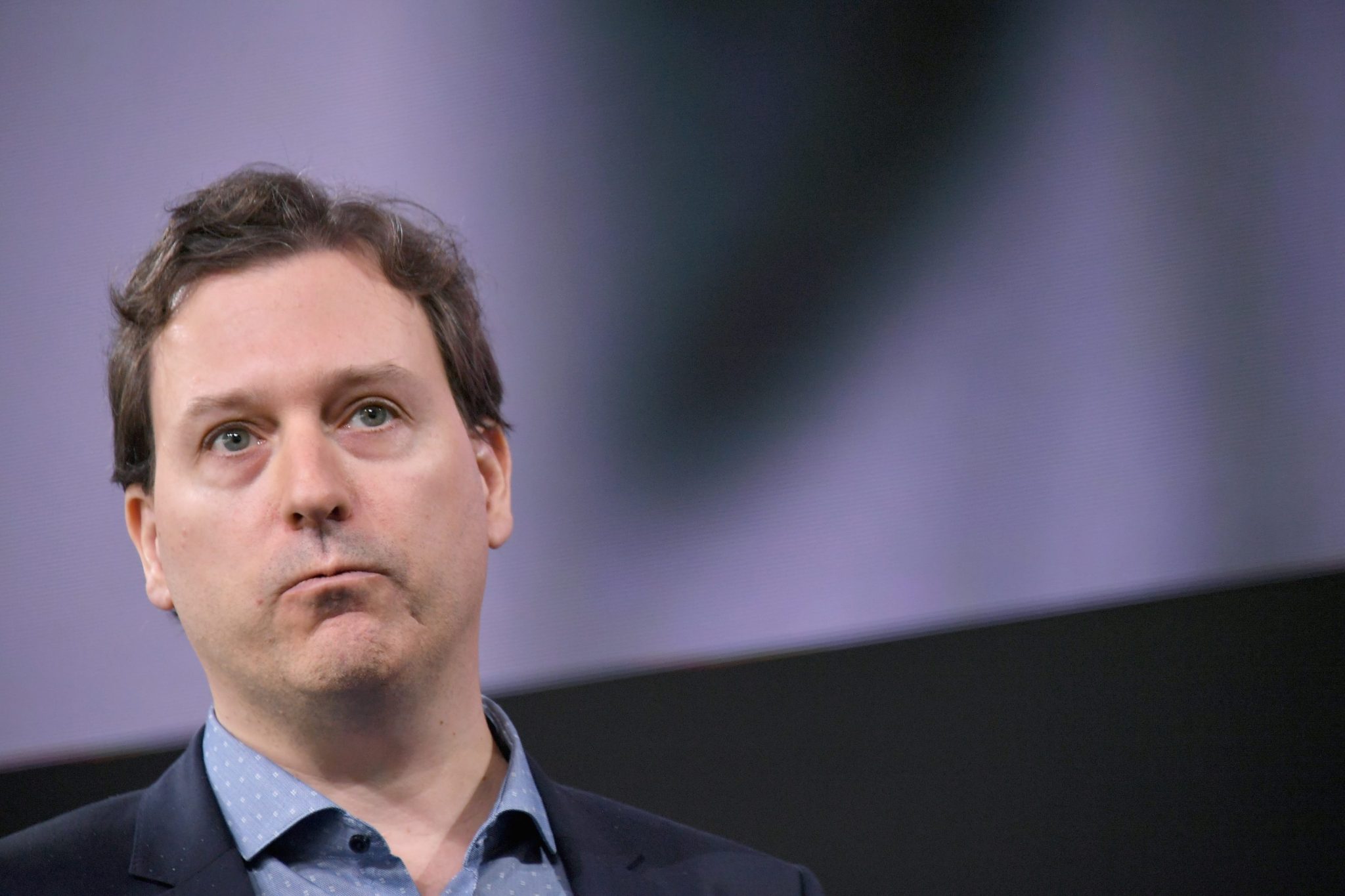
Just over a decade after Elizabeth Holmes threatened him with lawsuits and tried to kill his reporting, author John Carreyrou has become a perhaps unlikely fan of “You Can See Everything,” a new documentary exploring the disgraced founder’s home life as she prepares for prison—in fact, he’s seen it twice.
Carreyrou is the author of the 2018 book “Bad Blood,” in which he reports on Theranos’ collapse and Holmes’ downfall in a captivating narrative that topped the New York Times’ bestseller list.
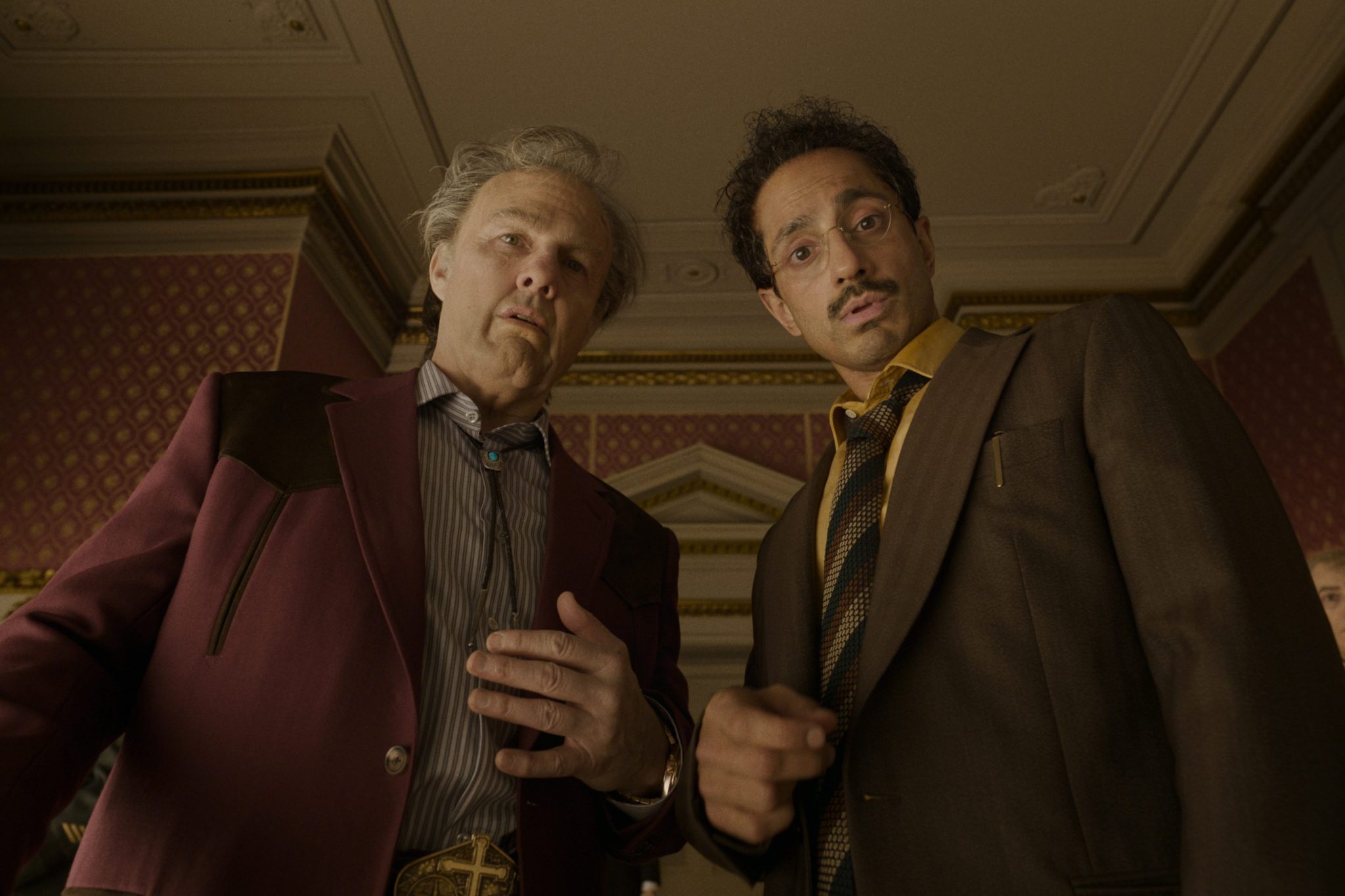
The new documentary, in which comedian Nathan Fielder lived in the guest house of the home Holmes shared with her partner Billy Evans and her two children for 34 days before she went to prison, has thrust Holmes, and indirectly, Carreyrou, back into the spotlight, while also earning rave reviews and an estimated $15 million during its first weekend—the second-biggest opening for a documentary ever.
Carreyrou, for his part, told the New York Times’ “Hard Fork” podcast that he saw the film twice, the first time being during a virtually private screening with his wife at the Manhattan offices of A24, the studio behind the film. He said he enjoyed the film even more the second time he watched it.
“I guess, over two viewings, I was really won over by the artistry of the way they filmed this thing, but also the structure, the amount of meta-thinking that went into it, how unusual it is,” he said on the podcast.
In a post on X, Carreyrou went even further, saying the documentary deserved best picture. But he warned it doesn’t cover the full story.
“The film is a great piece of art, but let’s not confuse that art with the underlying facts,” he said in a statement to Fortune.
Some people have told Carreyrou that Holmes is “unknowable and everything is ambiguous,” he wrote in a post on X. He said what these people are missing are the details of what he experienced during his reporting. This includes legal threats that Theranos’ lawyers leveled against him as well as against two of his sources, Tyler Shultz and Erika Cheung.
“She went after Tyler Shultz and Erika Cheung with everything she had. I was threatened with litigation on a daily basis for months on end. It was a ruthless cover-up of a breathtaking fraud, and she was at the controls,” he wrote in the post.
At the center of that fraud was Holmes’ promise that Theranos could perform hundreds of medical tests with just a few drops of blood from a finger prick, which she sold as a way to make testing more accessible and cheaper. Yet, the company’s machines really could only perform a limited number of tests and often produced unreliable results. Some tests also required much more than the small portion of blood Holmes said they needed or had to be done with conventional methods, rather than with Theranos’ product. Holmes also misled investors, falsely stating that Theranos had been validated by numerous large pharmaceutical companies and telling investors the company would bring in $1 billion in revenue in 2015, while knowing that the actual revenue figure would be negligible, according to the Justice Department.
Further details of the campaign to stop Carreyrou’s reporting are revealed in his book, including Holmes’ attempt to kill his original story by appealing directly to the Wall Street Journal’s billionaire owner, Rupert Murdoch, who was also a Theranos investor. Theranos’ lawyers also confronted Carreyrou at the newspaper’s offices in a meeting that lasted about five hours. Carreyrou now works as a reporter at the New York Times.
To be sure, Carreyrou was frustrated by the movie the first time he watched it, he said on the “Hard Fork” podcast. When Fielder repeatedly asked Holmes whether she did anything wrong and she denied any wrongdoing, Carreyrou said he “would have liked to jump in and grab the mic from Fielder, and drill down a little bit more, and not be so polite.”
One of Carreyrou’s sources, Tyler Shultz, whose grandfather, former Secretary of State George Shultz, served on Theranos’ board, said in an interview with CBS that despite Holmes’ denials, “she knows she did something wrong.”
“She created this whole web of lies that you would not have needed to create if you actually believed the lies,” he said.
Holmes in 2022 was convicted of three counts of wire fraud and one count of conspiracy to commit wire fraud for deceiving investors. She was sentenced to just over 11 years in prison, and she and her former boyfriend and business partner Sunny Balwani were ordered to pay $452 million in restitution. A federal appeals court upheld her conviction last year, but in March a federal judge reduced her sentence to 10 years and three months following changes to federal sentencing guidelines. She is scheduled to be transferred to a halfway house in 2027 and slated for release in 2030.
Despite his history with Holmes, Carreyrou said the film ultimately helped highlight some of Holmes’ contradictions. In one scene, Holmes insists she has never told a lie in her life, a claim Carreyrou called “preposterous.”
While some have argued the documentary is part of a ploy for Holmes to restore her broken reputation, Carreyrou said her statement about never having lied is evidence for him that it had the opposite effect.
“It comes off as this absurd statement that can’t possibly be true,” he said on the podcast. “And if anything, she looks worse for it.”
This story was originally featured on Fortune.com