Canada retail sales come in slightly softer than expectations
 Tomas Kauer
Retail sales in Canada were a tick softer than expected in August, rising 1.2 per cent month over month to $74.6 billion.
Sales climbed in all nine subsectors, according to new Statistics Canada data on Friday. Economists had predicted sales would rise by 1.3 per cent.
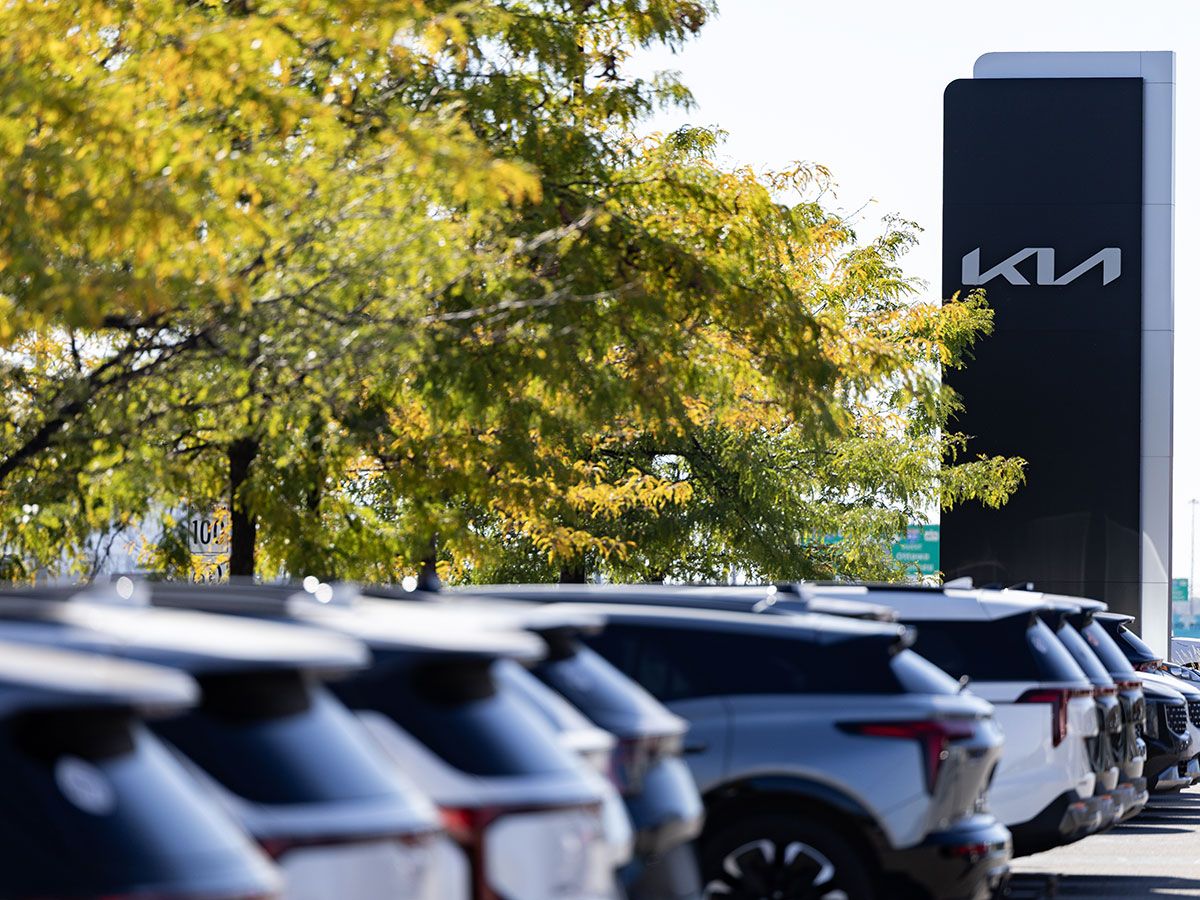
Auto and parts dealers led the increase, rising 1.2 per cent on higher sales of new cars as well as parts, accessories and tires. However, those gains were partially offset by lower sales at used car dealers and “other motor vehicle dealers.”
Sales at gas stations and fuel vendors were up 1.7 per cent in August, the first increase in three months. In volume terms, sales in this subsector decreased by 0.5 per cent.
Core retail sales, which excludes autos and parts as well as gasoline and fuel vendors, increased by 1.1 per cent after declining 0.7 per cent in July. This was led by higher sales in the food and beverages subsector, general merchandise retailers and health and personal care retailers.
In volume terms, retail sales increased by 1.2 per cent in August. 
Preliminary estimates suggest retail sales rose by 0.7 per cent in September, but Statistics Canada officials said that figure may be revised.
Maria Solovieva, an economist with TD Economics, said the rebound in retail sales in August and the flash estimates for September puts third-quarter retail sales on track to grow at an annualized rate of four per cent quarter to quarter in nominal terms.
However, data from the Bank of Canada’s latest Canadian Survey of Consumer Expectations provided a mixed signal. Respondents largely said their financial health improved, even if spending intentions weakened.
“We expect real personal consumption expenditure to grow by 2.6 per cent annualized in (the third quarter of 2026). From there, consumers are likely to take spending down a notch, with growth expected to moderate toward year-end,” Solovieva wrote in a note on Friday.
Katherine Judge, executive director and senior economist at CIBC Capital Markets, said in a Friday morning note that part of the increase in third-quarter real retail sales was due to a strong handoff from the second quarter. At the time, FIFA World Cup spending and government stimulus cheques from the Grocery and Essentials Benefit were supporting spending.
“The weak end to (the third quarter) in volume terms, suggested by the advance estimate, isn’t a good sign for (fourth-quarter) spending, with elevated gasoline prices still eating into discretionary spending power at a time when the labour market is under pressure due to trade uncertainty,” she said.
• Email: ptran@postmedia.com