Apple unveils $2,000 iPhone Duo, its first foldable smartphone
 Tomas K - Moderator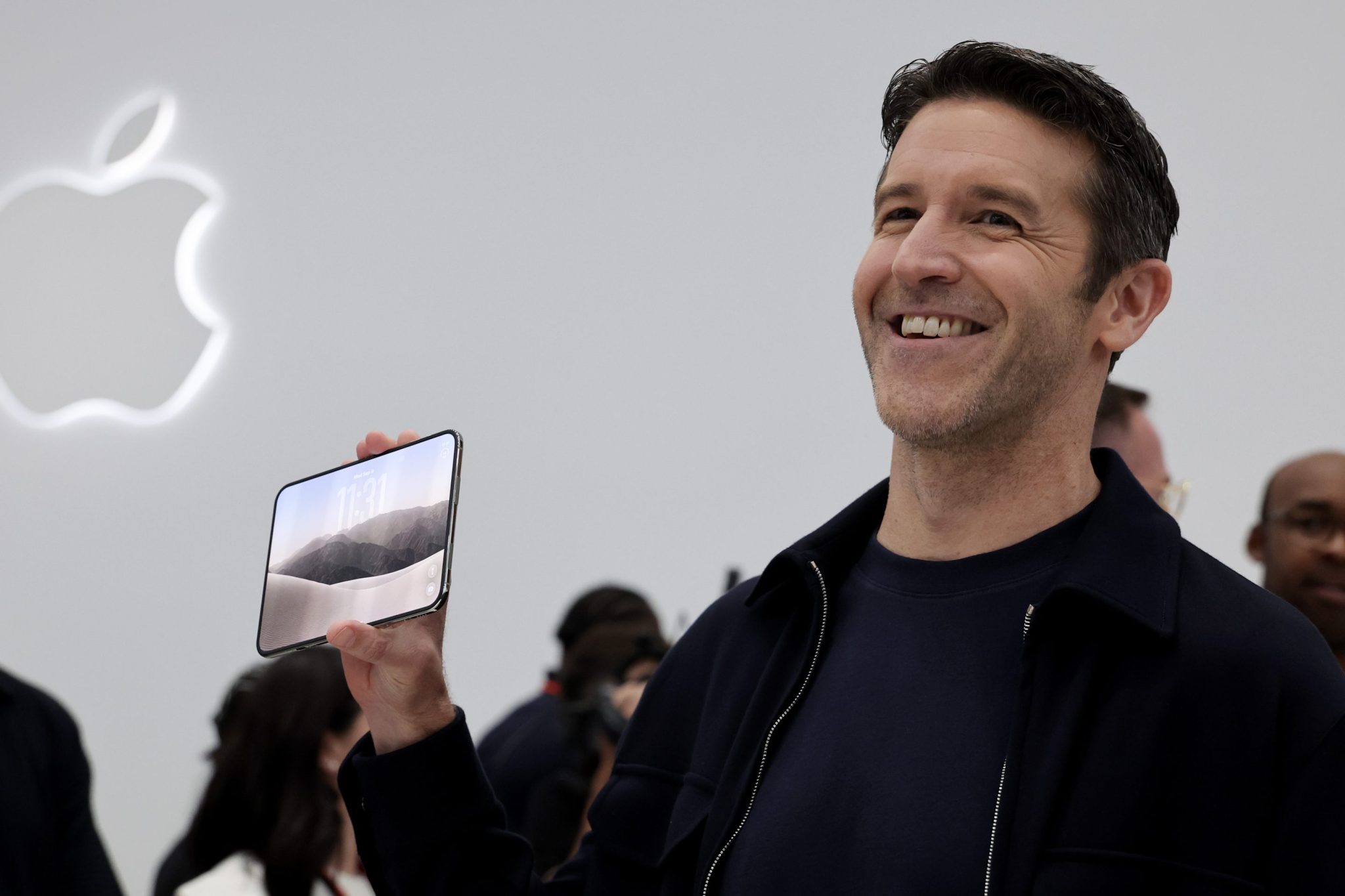
CUPERTINO, Calif.—Apple is now in the foldable business. The company unveiled its first foldable iPhone Wednesday, a long-rumored device that pushes Apple into a new era and caps one of its most consequential product launches in recent memory.
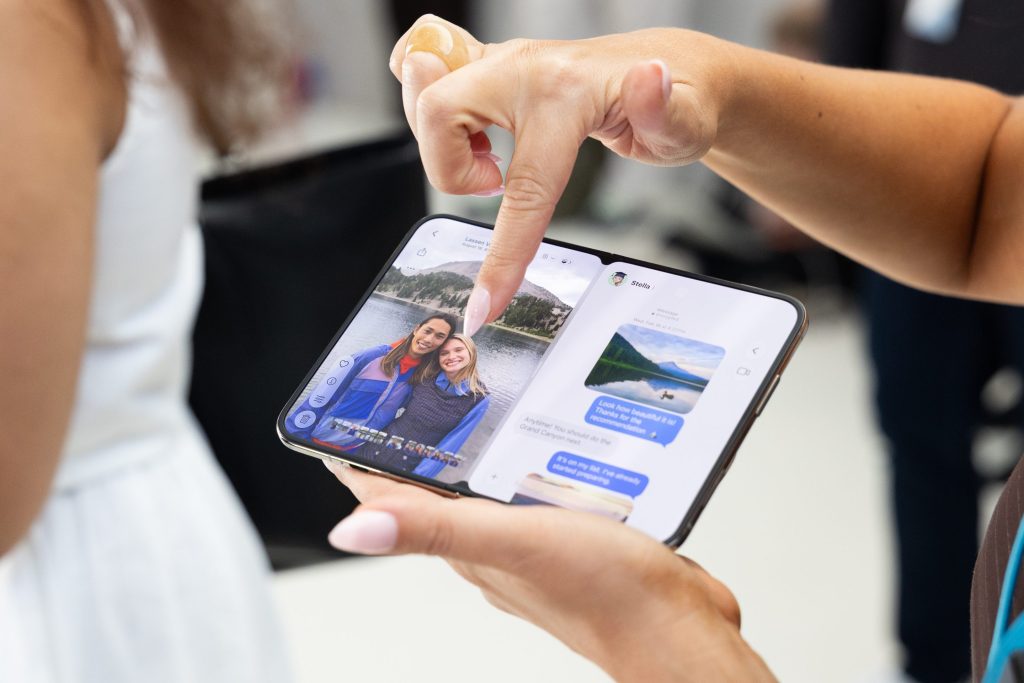
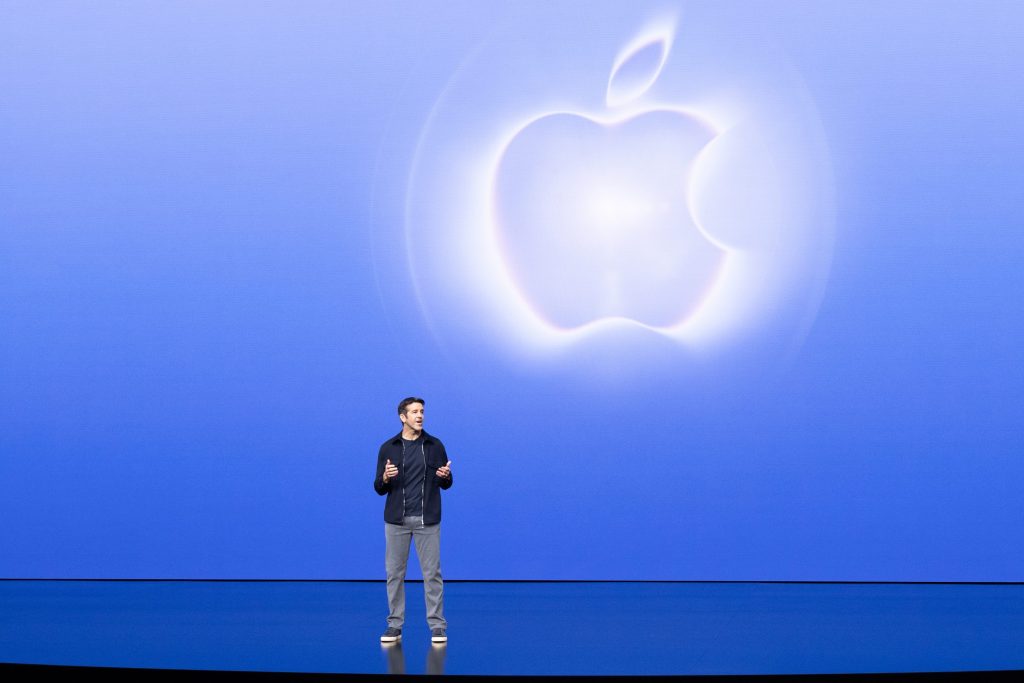
In a packed Steve Jobs Theater, new Chief Executive John Ternus unveiled the foldable through a video presentation. The phone has a 7.6-inch display when opened and a 5.4-inch outer display when closed. It will also work with Apple Pencil, and it can be viewed in several display modes, including half-folded on a table. The announcement came nearly 20 years after Steve Jobs upended the consumer hardware space by introducing the world to the iPhone, propelling Apple to unprecedented heights. The iPhone Duo, when open, is 50% larger than Apple’s iPhone 18 Pro Max, which it also revealed Wednesday.
The Duo will cost $1,999 for the 256-gigabyte version and be available Oct. 23. Apple is also selling a two terabyte version for $3,199.
“We obsess over the details,” Ternus said from the stage before Apple’s video presentation started, as executives and Apple Board Chairman Tim Cook watched. “We care enormously about design simplicity. We want our products to be incredibly powerful, but we also want them to be simple and natural and intuitive.”
When open, the iPhone Duo is the thinnest Apple has made, and Apple packed it with new software that enables features like usability even when half-folded. The phone can also be used as a display monitor for calendars or clocks, somewhat similar to how people use Amazon’s Echo Show products. The front-facing FaceTime camera is hidden within the screen when the device is open. [See the new iPhone Duo up close in Fortune’s photo tour]
One tradeoff appears to be the Duo’s weight, which is noticeably heavier when picking up than Apple’s other phones. It can also be a bit difficult to reach all of the keyboard’s keys when it is open and being held horizontally.
The Duo launch marks Ternus’ first big event since replacing Tim Cook in the top job earlier this month. The iPhone 18 Pro starts at $1,199, while the iPhone 18 Pro Max begins at $1,299. Both phones reflect a $100 price increase, likely due to the industrywide increase in memory costs.
Shares of Apple, which had been down roughly 1.5% earlier on Wednesday, climbed back into positive territory after the Duo was announced, with the stock up less than 1% in after-hours trading.
With the foldable, Apple now has a new form factor after years in which it has iterated on its original iPhone. The phone will help Apple compete in a market set by Samsung and hand Ternus a flashy new product to tout as he begins his tenure.
“This is the first time since AirPods came out that this is a product that people really want,” Apple investor Gene Munster told Fortune. “I left feeling like they got a little bit of their product mojo back.”
Apple also said the next version of its iOS will arrive on Sept. 14 and will include its new Siri AI.
Apple’s events in recent years have “been a wash, rinse, and repeat cycle,” said Michael Gartenberg, an analyst and former Apple marketing employee.
Wednesday, however, “was a good event for Apple and a good start for the new CEO,” he said. “While the new Pro devices are mostly incremental, the iPhone Duo takes Apple into new territory. Despite being late to market compared to Samsung and Google, Apple has delivered a solid first generation of foldables.”
Much will depend on carriers offering significant subsidies, or how many users will pay the $2,000-plus cost, Gartenberg said.
And while the price of Apple’s foldable is likely to limit the potential buyers, the cost is comparable to competing products such as Samsung’s Galaxy Z Fold8 phone, which starts at $1,899.99, and the upgraded Galaxy Z Fold8 Ultra, which begins at $2,099.99.
Apple isn’t abandoning its traditional bar-type iPhone design. But the company’s base model, the iPhone 18, is not expected until spring 2027, according to a note by analysts at Bank of America. That’s a change from Apple’s standard playbook of releasing base and Pro models together. “The split launch could support mix and [average selling prices] but creates some risk that price-sensitive consumers defer upgrades until the lower-priced models arrive,” analysts wrote.
Apple, like other companies, has raised prices due to a shortage in memory chips brought on by the intense demand for AI computing resources. The company’s price hikes ranged from 15% to 33% across its Mac, iPad, and home device lines in what Cook in July called a “100-year-flood” event.
The same month, Apple issued a disappointing revenue forecast for its fiscal fourth quarter, owing to supply-chain constraints. Investors are also examining the company’s progress on AI and rollout of Siri AI, which is promised to better understand data across apps, answer questions based on what is on users’ screens, and act autonomously within apps. The update has drawn praise by some analysts who have tested it, though others have lamented that the updates are incremental. Apple has also bet that much of AI could happen locally on-device, rather than in the cloud.
Ternus, who took over as CEO on Sept. 1, told employees in a note that day that he was “so excited about everything we have in store.” He added that he’s “just as excited about what lies beyond that, including the incredible products already in the works and the ones we haven’t even imagined yet that we’ll dream up and create together.”
The 51-year-old executive is widely regarded as a low-key product engineering savant with an encyclopedic memory of Apple product minutiae and an all-around nice guy who has played a significant part in building many of Apple’s most successful hardware products, Fortune reported in a profile this month.
He’s stepped into the role as Apple looks to compete in AI after mostly ceding the AI model ground to competitors like Google and OpenAI, which are also keen on beating out the iPhone-maker on consumer hardware devices. OpenAI has not yet released a product but is working with former Apple star designer Jony Ive. Roughly half of Apple’s revenue is from iPhone sales.
Analysts and former Apple employees interviewed by Fortune have said they hope Ternus, given his product engineering background, can revive some of the company’s innovation and design mojo it has lost over the years. It’s likely Ternus will not make drastic changes to start out, experts pointed out, especially since hardware cycles are usually a few years in the making. But nevertheless, he could make a dent in a different way than the supply-chain-minded Cook did.
This story was originally featured on Fortune.com